Introduction
Looking to upgrade your front door security? If you’re considering a smart lock for your home, the door material matters more than you might think. Aluminum doors have become the go-to choice for homeowners who want digital locks that actually last.
Here’s why: unlike wood that warps or steel that rusts, aluminum keeps its shape year after year. That stability is exactly what electronic locks need to function properly. Plus, modern aluminum doors look great while handling the tech upgrades your home deserves.
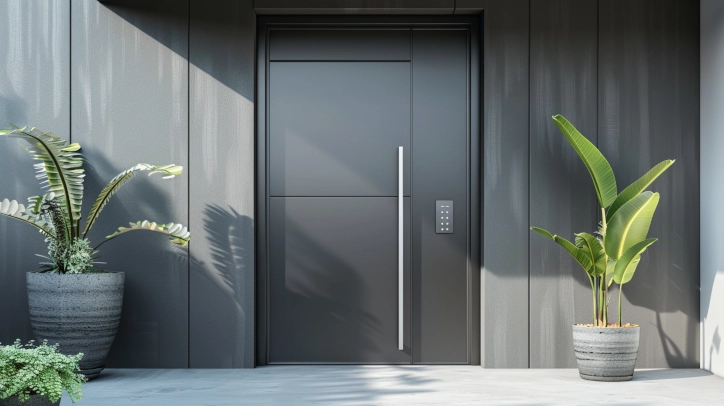
Why Aluminum Doors Are Perfect for Smart Locks
The Stability Factor
Smart locks need precision. When your door shifts or warps, even by a fraction of an inch, electronic components can misalign. I’ve seen plenty of frustrated homeowners who installed expensive digital locks on wooden doors, only to deal with constant recalibration issues after a humid summer or dry winter.
Aluminum doesn’t do that. The material maintains its shape regardless of weather. Your digital lock stays aligned, the sensors work consistently, and you’re not calling a locksmith every few months.
Built for the Elements
Think about where your front door lives—outside, exposed to rain, sun, heat, and cold. Aluminum naturally resists corrosion through oxidation, which means it won’t deteriorate around your lock’s mounting points. Wood rots, steel rusts, but aluminum just keeps going.
This matters especially for digital locks with electronic components. Moisture is their enemy. When you mount a smart lock on an aluminum door with proper weatherproofing, you’re protecting hundreds of dollars of technology from the elements.
Clean Installation
Drilling into aluminum is actually easier than most people think. It cuts clean, doesn’t splinter like wood, and holds screws securely without the stripping issues you get with some materials. Most smart locks install in under 30 minutes on aluminum doors using basic tools.
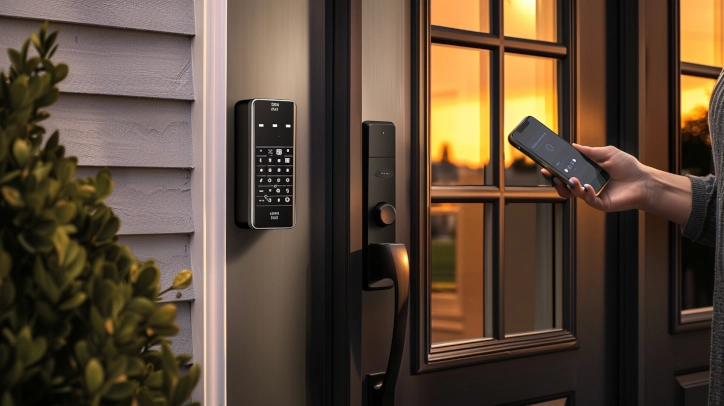
Types of Digital Locks That Work Best
Keypad Systems
The simplest upgrade. You get a numbered pad on your door, punch in a code, and you’re in. No keys to lose, no locks to rekey. Most keypad locks let you create multiple codes—one for you, one for the kids, temporary ones for contractors.
Battery life on these runs 6-12 months typically. When batteries get low, you’ll get plenty of warning. And if they do die? Most have a hidden terminal where you can touch a 9-volt battery for emergency access.
Biometric Options
Fingerprint scanners have gotten really good. They work fast, rarely mess up, and you literally can’t forget or lose your fingerprint. Great for families with kids who lose everything.
The aluminum door surface provides a stable mounting point for these sensors. Temperature changes won’t affect accuracy like they might on doors that expand and contract.
Smartphone-Connected Locks
These are the full smart home experience. Unlock from anywhere, get alerts when someone enters, give delivery drivers one-time access. They connect through Bluetooth, Wi-Fi, or both.
Installation on aluminum doors is straightforward since you’re not worried about the door material interfering with wireless signals the way metal-backed composite doors sometimes do.
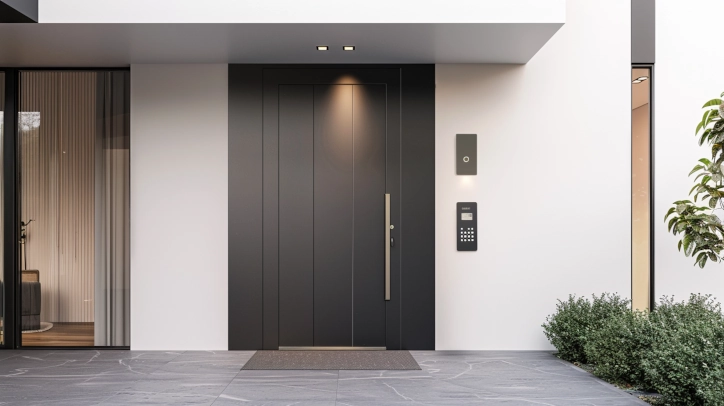
What Makes This Combination Work
The Real-World Test
I’ve talked to dozens of homeowners over the years. The ones happiest with their smart locks? Almost all have aluminum doors. The ones with constant problems? Usually wood or older materials that shift with the seasons.
One neighbor installed the same model lock I have—except theirs went on a wooden door. Six months later, they’re adjusting sensors. Mine on aluminum? Still working perfectly after three years.
Long-Term Value
Quality aluminum doors cost more upfront than some alternatives. But when you factor in that they’ll support digital locks without constant maintenance, the math changes. You’re not replacing warped door frames or dealing with locks that don’t align anymore.
Plus, aluminum doors with smart locks actually increase home value. Buyers notice security features, especially modern ones that look good and work reliably.
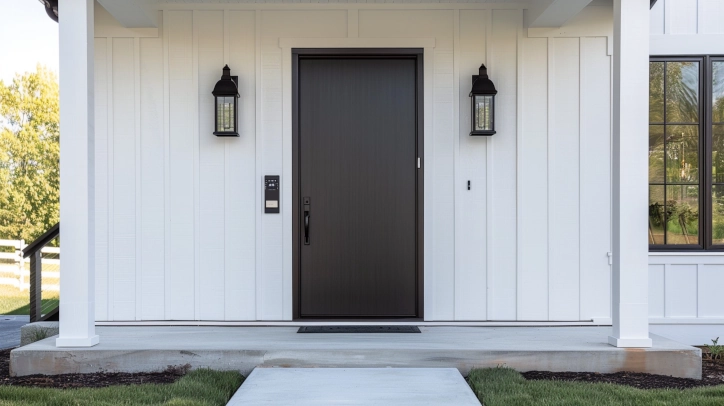
Getting Started
Pick Your Lock First
Sounds backwards, but it’s not. Once you know which digital lock you want, you can make sure your aluminum door meets its specifications. Most smart locks list requirements for door thickness (usually 1.375″ to 1.75″) and other measurements.
Installation Tips
If your aluminum door already has a deadbolt, you’re 90% of the way there. Most smart locks are designed to replace standard deadbolts using the same holes. Use sharp metal bits when drilling, go slow, and debur the edges afterward.
Not handy? Professional installation runs $100-200 and takes about an hour. Worth it for peace of mind and warranty protection.
Maintenance Reality
Here’s the honest truth: aluminum doors with digital locks need almost no maintenance. Replace batteries once or twice a year. Maybe wipe down the keypad occasionally. That’s about it.
Compare that to wooden doors that need refinishing and traditional locks that need rekeying, and you’re saving money and hassle.
Making the Choice
If you’re serious about home security and convenience, the aluminum door and digital lock combination is hard to beat. You get durability, reliability, and modern features that actually work long-term.
The initial cost might be higher than basic options, but you’re investing in a system that’ll serve you well for a decade or more. No constant adjustments, no weather-related failures, just consistent performance.
Ready to upgrade? Start by measuring your current door or shopping for aluminum doors designed for smart lock integration. The technology is proven, the materials are reliable, and the results speak for themselves.
FAQ Section
Q: How much does it cost to install a smart lock on a front door?
A: Smart lock installation costs $100-$200 for professional service on aluminum doors. The locks themselves range from $150-$400 for quality models. DIY installation is possible in 30-45 minutes if your aluminum door has existing deadbolt holes, saving installation costs.
Q: Will a smart lock work if the power goes out?
A: Yes, most smart locks run on batteries (AA or 9V), not household power, so they work during outages. Battery-powered smart locks typically last 6-12 months per set. Most models warn you weeks before batteries die, and many include emergency external power terminals.
Q: Are smart locks more secure than traditional locks?
A: Smart locks on aluminum doors offer superior security through multiple authentication methods, automatic locking, tamper alerts, and activity logs. They eliminate key-related vulnerabilities like lost keys or lock bumping. Quality digital locks combine encrypted electronics with hardened mechanical components.
Q: Can smart locks be hacked?
A: Quality smart locks with AES-128 or AES-256 encryption are extremely difficult to hack. Choose locks from reputable manufacturers that provide regular firmware updates. The physical security of a smart lock on a stable aluminum door often exceeds the cybersecurity risk when properly configured.
Q: How long do smart locks last on aluminum doors?
A: Smart locks on aluminum doors typically last 7-10 years or longer with minimal maintenance. Aluminum’s dimensional stability prevents the misalignment issues that shorten lock lifespan on wood doors. Electronic components usually outlast the battery replacement cycles when properly weatherproofed.
Q: Do I need Wi-Fi for a smart lock to work?
A: No, Wi-Fi is optional. Basic smart locks work with Bluetooth or keypad codes without internet. However, Wi-Fi enables remote access, notifications, and smart home integration. Many locks offer both local and remote operation modes depending on your needs.
Q: Can you install a smart lock yourself on an aluminum door?
A: Yes, most homeowners can install smart locks on aluminum doors with basic tools. If your door has existing deadbolt holes, installation takes 30-45 minutes using a screwdriver. Drilling new holes in aluminum requires a metal-cutting hole saw but is straightforward with proper bits and technique.