It’s -10°F outside. You’re running the heat, but your hallway still feels like a freezer. If you walk past your front entry and feel a chill even when the door is closed, you are experiencing “radiant heat loss.” Your old door isn’t just letting cold air in; it’s actively sucking the heat out of your home.
For homeowners in Northern zones (USDA Zones 5-7+), choosing a front door isn’t just about curb appeal—it’s a tactical decision against the elements. A standard door that works in Florida will warp, freeze, and fail in Minnesota or Vermont.
This guide breaks down exactly what makes a door “winter-proof,” comparing insulated aluminum doors, fiberglass, and steel to help you choose the best barrier between you and the blizzard.
The Science of Cold: What Makes a Door “Winter-Rated”?
Before we talk materials, we need to talk metrics. A pretty door with zero insulation is just a hole in your wall.
-
R-Value (Resistance): This measures the door’s ability to resist heat flow. A standard wood door has an R-value of only ~R-2. A high-performance insulated door can reach R-5 to R-15. The higher, the better.
-
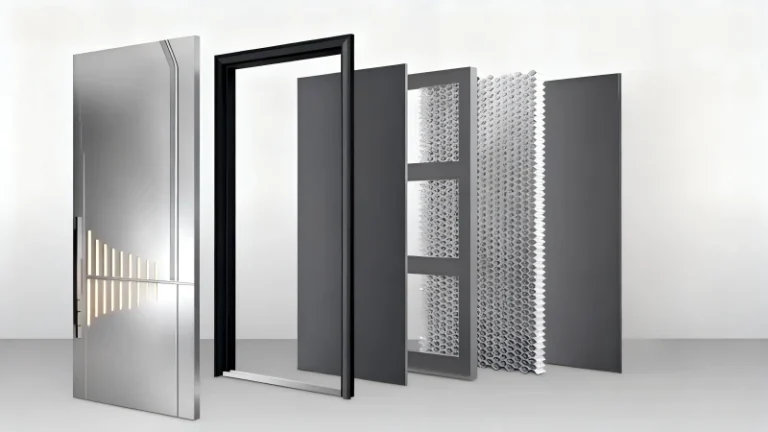
Thermal Break: This is critical for metal doors. Without a thermal break (a strip of insulation separating the exterior skin from the interior), metal conducts cold straight through. Touch the inside of a cheap metal door in winter; if it feels like an ice cube, it lacks a thermal break.
-
Air Infiltration: Drafts account for more heat loss than the door material itself. Look for an air infiltration rating below 0.3 cfm/sqft.

Material Showdown: Which Material Wins in the Freeze?
1. Fiberglass: The All-Around Winter Champion
Fiberglass is widely considered the gold standard for cold climates. Unlike wood, which shrinks in dry winter air (creating gaps), fiberglass is dimensionally stable. It expands and contracts at nearly the same rate as the glass inserts, meaning the seals stay tight year-round.
-
Why it works: Most fiberglass doors are filled with a polyurethane foam core that offers 5x the insulation value of solid wood.
-
Durability: It won’t rust from road salt tracked onto your porch, and it won’t rot from melting snow.
2. Steel: The Secure & Budget-Friendly Option
Insulated steel doors are often the most affordable route to a high R-value. They are secure and tough, but they have an Achilles’ heel in winter.
-
The Risk: If scratched by a snow shovel or salt, steel can rust quickly. Furthermore, lower-end steel doors without a thermal break can suffer from internal condensation (sweating), which can rot your floorboards over time.
-
Recommendation: If choosing steel, ensure it has a high-density foam core and a verified thermal break design.
3. Insulated Aluminum Doors: The Modern Architect’s Choice
Historically, aluminum was avoided in cold climates because metal conducts cold. However, modern insulated aluminum doors have changed the game.
-
The Technology: High-end aluminum pivot and entry doors now use advanced polyamide thermal struts. This physically disconnects the outer metal frame from the inner one, stopping the “cold bridge.”
-
Why choose it: If you want a massive, 8-foot tall modern door that won’t warp, insulated aluminum is superior to wood. It provides the structural rigidity needed for large openings while maintaining excellent thermal performance (U-values often below 0.30).
Pro Tip: For a deeper dive into thermal ratings for aluminum, check out the National Fenestration Rating Council (NFRC) website to verify U-factor claims.

Glass in Winter: Triple-Pane is Mandatory
Don’t install a thermal vault door and then cut a hole in it for single-pane glass.
-
Go Triple: For cold climates, triple-pane glazing is worth the investment. It adds a second chamber of argon gas, significantly boosting insulation.
-
Warm Edge Spacers: Ensure the glass uses non-metallic “warm edge” spacers. Old aluminum spacers conduct cold and cause the edges of your glass to frost over.
The Unsung Heroes: Weatherstripping & Thresholds
Even the best entry doors for cold climates will fail if the seals aren’t tight.
-
Adjustable Thresholds: Houses settle and move in winter. An adjustable threshold allows you to raise the sill bar with a screwdriver, closing the gap as your house shifts.
-
Q-Lon Weatherstripping: Avoid rigid vinyl seals, which become brittle and snap in sub-zero temps. Look for foam-filled Q-Lon or silicone seals that remain flexible down to -40°F.
Related Resource: Read about Energy Star‘s specific criteria for doors in the Northern Climate Zone.

Final Verdict: Which Door Should You Buy?
-
Best Overall Value: Fiberglass with a foam core. It’s low maintenance, high warmth, and won’t dent.
-
Best for Modern Design: Insulated Aluminum Doors. Perfect for oversized entries where wood would warp, provided you choose a model with a certified thermal break.
-
Best Budget Option: Insulated Steel. Just keep the paint touched up to prevent rust.
Don’t wait for the first blizzard to realize your door is failing. A proper cold-climate door is an investment that pays you back every month in lower energy bills and warmer toes.
Regarding how to provide insulation for the front door in winter, please refer tohttps://www.mtlrutao.com/blog/how-to-insulate-front-door-for-winter/
FAQs
Q1: What is the best material for entry doors in cold climates?
Fiberglass is generally the best all-around option for cold climates because it offers high insulation (R-value), resists warping in temperature fluctuations, and won’t rust from road salt. However, modern insulated aluminum doors with thermal breaks are an excellent choice for large, contemporary entrances that need structural stability.
Q2: Are aluminum front doors good for winter weather?
Standard aluminum doors conduct cold, but high-quality insulated aluminum doors are excellent for winter. You must choose a model with a “thermal break”—a layer of insulation separating the interior and exterior metal skins—to prevent cold transfer and condensation.
Q3: Does a front door need triple-pane glass in a cold climate?
Yes, triple-pane glass is highly recommended for Northern zones. The extra layer of glass and argon gas significantly reduces heat loss compared to double-pane options. Also, look for “warm edge spacers” to prevent frost from forming on the glass edges.
Q4: How do I stop my front door from drafting in winter?
Drafts are often caused by worn weatherstripping or a settling house. Installing an adjustable threshold helps seal the bottom gap, and upgrading to silicone or Q-Lon weatherstripping ensures the seal stays flexible (and doesn’t crack) even in sub-zero temperatures.
Q5: Why does my steel door sweat or have condensation on the inside?
Condensation happens when warm indoor air hits a cold surface. If your steel door lacks a proper thermal break or foam core, the inside metal gets freezing cold, causing moisture to form. Lowering indoor humidity helps, but upgrading to a thermally broken door is the permanent fix.