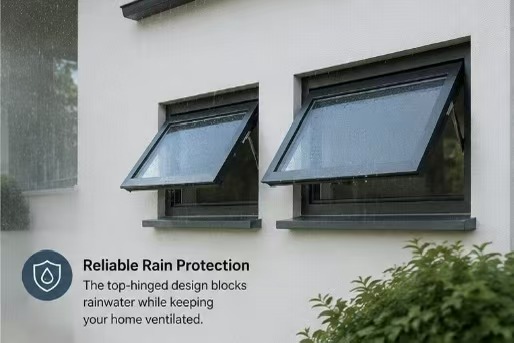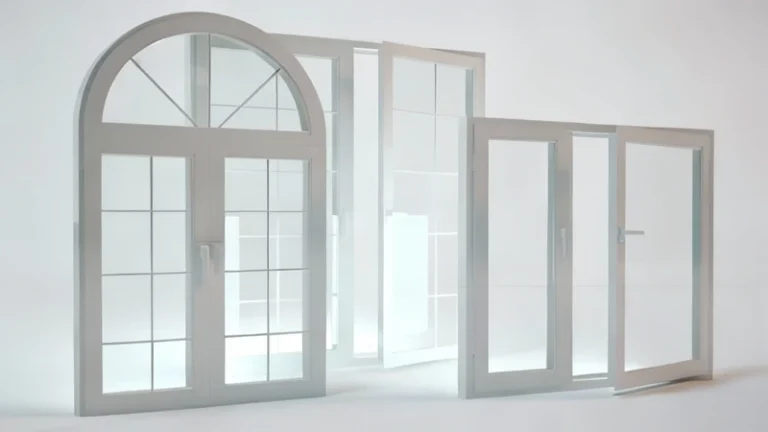
Choosing a supplier for custom aluminum windows and doors is not just a design decision. For a villa, apartment development, hotel, or commercial building, the right manufacturer affects thermal performance, water resistance, installation, budget control, and the project schedule.
Many buyers begin by comparing photos and unit prices. That is useful, but it is not enough. A reliable custom aluminum windows and doors manufacturer should be able to translate your drawings, climate conditions, local requirements, and finish preferences into a system that can actually be produced, tested, packed, and installed as planned.

1. Start with the project requirements, not a product catalog
Before contacting manufacturers, put the basic project information in one working file. Even a simple schedule helps the supplier give you a useful response instead of a generic quotation.
- Building type and project location
- Window and door schedule, elevations, or rough opening sizes
- Required opening styles and quantities
- Wind, rain, heat, noise, or impact-resistance concerns
- Preferred glass, color, hardware, and screen options
- Applicable local codes or testing requirements
A coastal home in Florida, a townhouse in Australia, and a hotel façade in the Middle East do not need the same configuration. A good manufacturer asks practical questions early: What is the design wind pressure? Is thermal insulation a priority? Are there site restrictions on panel size, glazing, or installation access? The answers determine the profile, glass build-up, reinforcement, drainage design, and hardware.
2. Look for engineering support—not only attractive product photos
Photos tell you something about finish and style, but they do not show whether a system is appropriate for your opening size or local exposure. Ask how the manufacturer handles shop drawings, sectional details, hardware selection, and glass recommendations before production.
For a serious project, the supplier should be comfortable reviewing drawings and identifying issues before material is cut. This can include sash dimensions, mullion strength, drainage paths, threshold details, glazing thickness, and hardware load limits. The earlier these points are resolved, the less expensive the project becomes to correct.
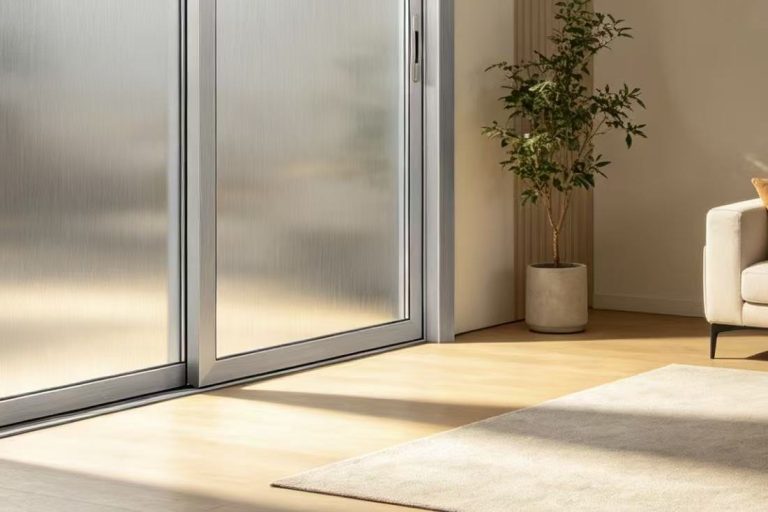
For example, a large sliding door may look similar to a standard residential system, but the panel weight, track design, roller capacity, and locking points can be very different. The same is true for oversized fixed windows and curtain wall openings. Do not accept a “standard” solution without seeing how it relates to your actual dimensions.
3. Ask for performance data in a format you can compare
Performance claims should be specific. Depending on the destination market, you may need information about air infiltration, water penetration, structural performance, U-value, solar heat gain, sound reduction, or impact resistance. The relevant standard varies by country and project type.
When comparing suppliers, ask each one to state what is included in the proposed configuration:
- Aluminum profile series and wall thickness
- Thermal-break construction, if required
- Glass composition, coating, spacer, and gas-fill options
- Gasket, sealant, drainage, and weatherproofing approach
- Hardware brand, load rating, and locking configuration
- Available test reports or project-specific testing support
A lower quote can hide a thinner profile, simpler glass, reduced hardware capacity, or a different sealing arrangement. Clear technical comparisons help you judge total value rather than only the starting price.
4. Verify quality control where it matters
Quality control should be visible throughout production, not limited to a final photograph before loading. Ask how incoming aluminum, glass, and hardware are checked; how dimensions are controlled during fabrication; and how finished units are inspected before packing.
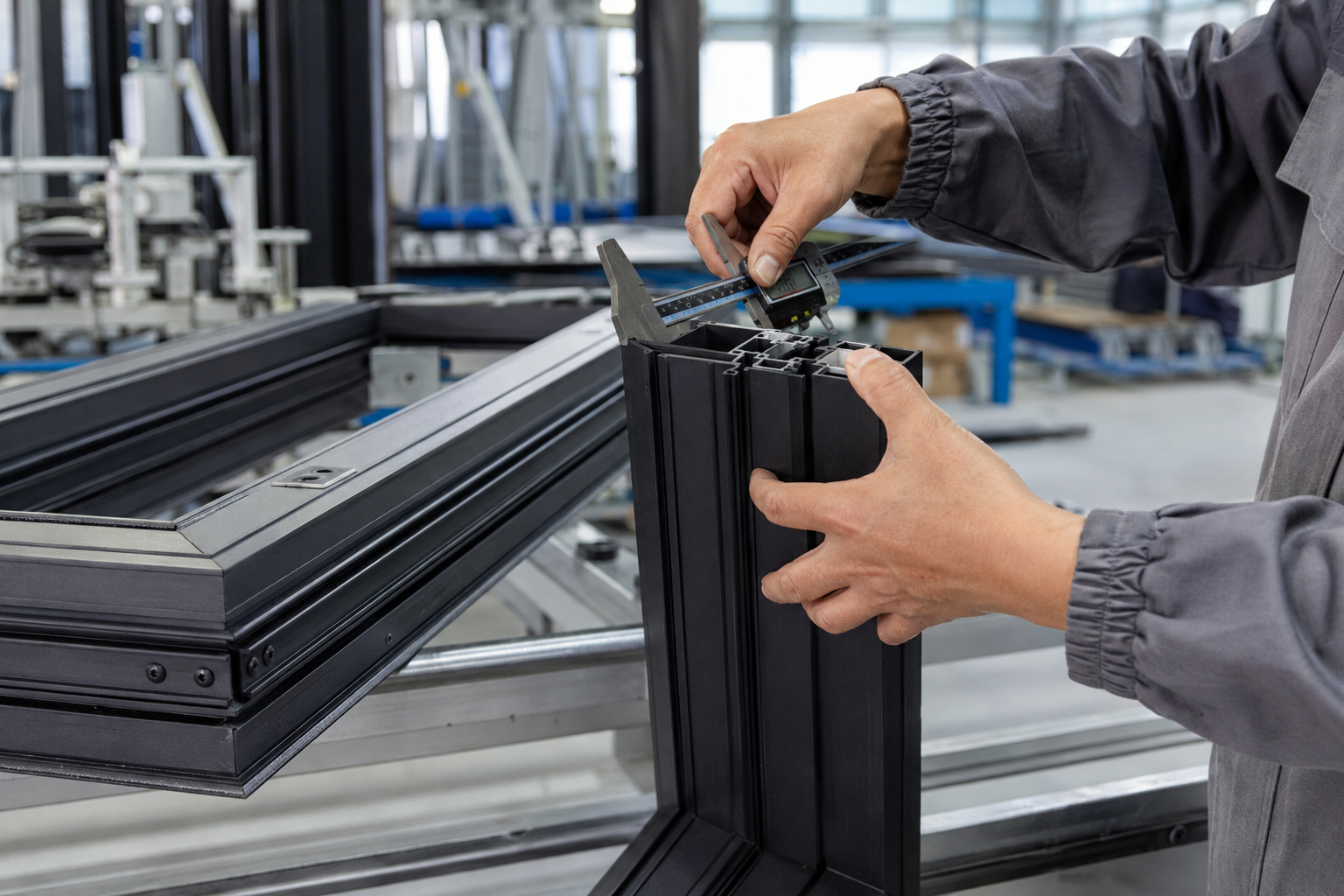
For custom work, request photos or short videos at key stages: profile preparation, frame assembly, glazing, finished-product inspection, and packing. You should also ask how each opening is labeled so that units can be matched to the drawings on site. This is especially important when a container includes multiple types, sizes, directions, or glass specifications.
5. Treat lead time as a production plan, not a single number
A lead time is only meaningful when the scope is clear. Samples, approval drawings, special colors, custom hardware, and non-standard glass can all affect the schedule. Ask the manufacturer to break the process into stages: drawing confirmation, material preparation, fabrication, glazing, quality inspection, packing, and delivery to port.
This approach makes planning easier for both sides. It also lets you identify decisions that must be made early, such as final RAL color, hardware finish, glazing type, or special testing requirements. If the supplier cannot explain the sequence, the stated delivery date may be little more than an estimate.
6. Evaluate communication before you place the order
For an export project, communication is part of the product. A responsive manufacturer should provide a clear quotation, drawings that use understandable references, answers to technical questions, and updates when a decision affects cost or timing.
Pay attention to the quality of the first quotation. Does it identify the product type, dimensions, glass, finish, hardware, quantity, packing, and trade terms? Are exclusions obvious? A detailed quotation is usually a better indicator of future coordination than a very fast, one-line price.
7. Confirm what is included in the commercial scope
Before issuing a purchase order, confirm exactly what the factory will supply and what the buyer or installer will handle. Common points include screens, handles, locking cylinders, sealant, anchors, flashing, installation manuals, spare parts, and export packing.
It is also worth agreeing on approval samples, tolerances, payment milestones, inspection arrangements, warranty terms, shipping marks, and the documents needed for customs clearance. There is no universal answer; the goal is to make the scope unambiguous before production begins.
A practical buyer checklist
Before selecting a custom aluminum windows and doors manufacturer, make sure you can answer yes to these questions:
- Has the supplier reviewed the project drawings and stated assumptions?
- Can you compare profile, glass, hardware, and performance details line by line?
- Is there a defined inspection and labeling process?
- Are the production stages and approval points clear?
- Does the quotation state what is included, excluded, and optional?
- Do you have one contact person who can coordinate technical and commercial questions?
Plan the system around the building
The best result comes from matching the window and door system to the project—not forcing the project to fit a catalog item. Whether you are sourcing aluminum windows, entrance doors, sliding doors, or a larger façade package, start with the project conditions and ask the manufacturer to show how the proposed solution meets them.
RUTAO supports overseas buyers with custom aluminum window and door solutions, drawing review, material recommendations, and export coordination. Contact our team with your drawings or window schedule to discuss a suitable configuration for your project.