If you live in Florida or another hurricane-prone coastal area, protecting glazed openings is part of the conversation sooner or later. Two of the most common solutions are impact-resistant windows and hurricane shutters.
Both can be legitimate forms of opening protection when the complete product and installation satisfy the applicable requirements. The real question is therefore not simply which one is “stronger.” It is which approach better matches your home, budget, maintenance expectations and everyday use.
That question is especially timely in September. The Atlantic hurricane season officially runs from June 1 through November 30, and historical activity reaches its peak around September 10.
What Are Impact Windows?
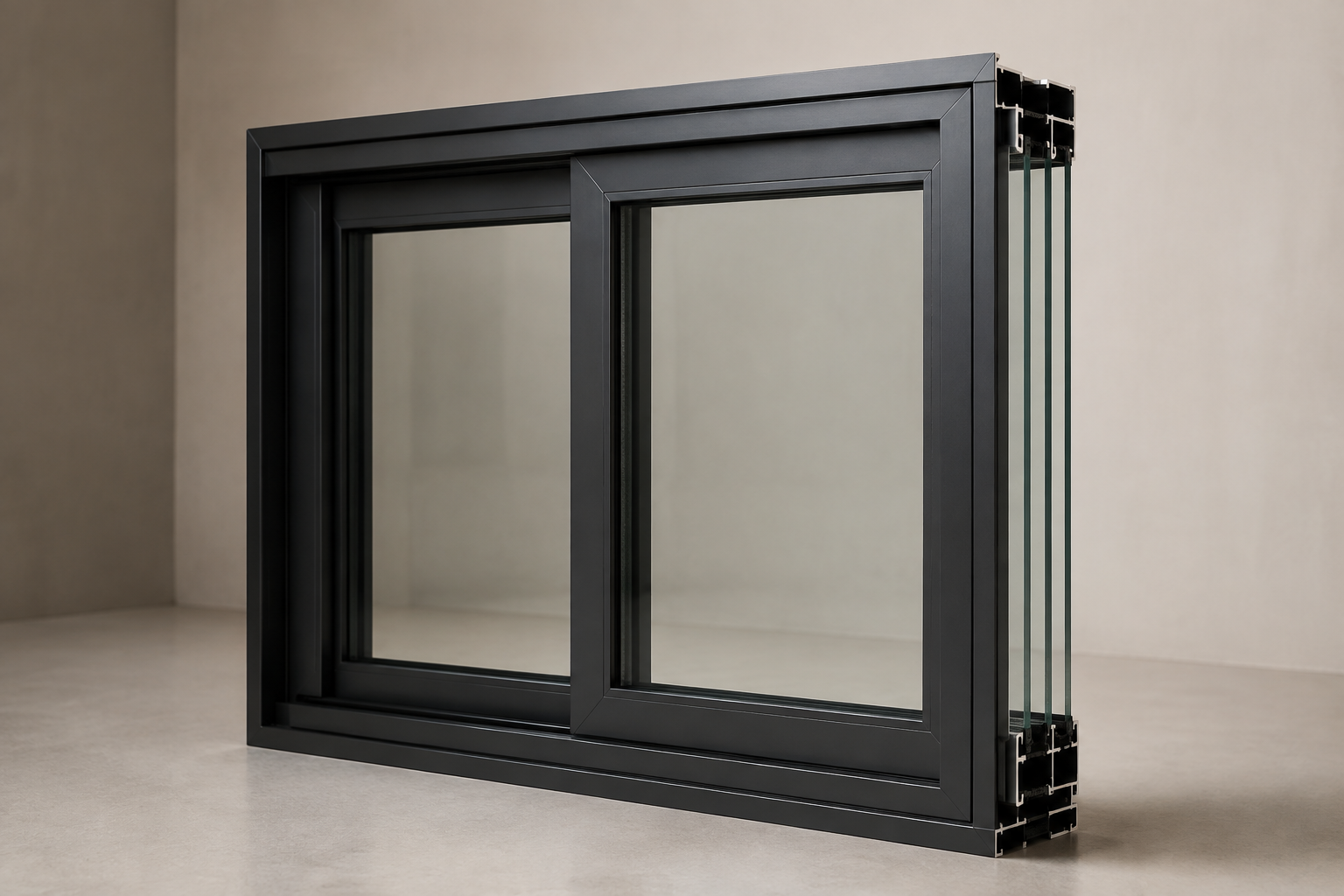
Impact-resistant windows are complete window assemblies designed and tested to resist specified wind-borne-debris and pressure conditions. They commonly use laminated glazing in combination with a reinforced frame, glazing system, hardware and anchoring arrangement.
The important point is that laminated glass alone does not automatically make a window an approved impact-resistant assembly. Performance relates to the tested window system as a whole.
Florida technical material references standards such as ASTM E1886 and ASTM E1996, while Miami-Dade/HVHZ approvals may involve TAS 201, TAS 202 and TAS 203 requirements.
What Are Hurricane Shutters?
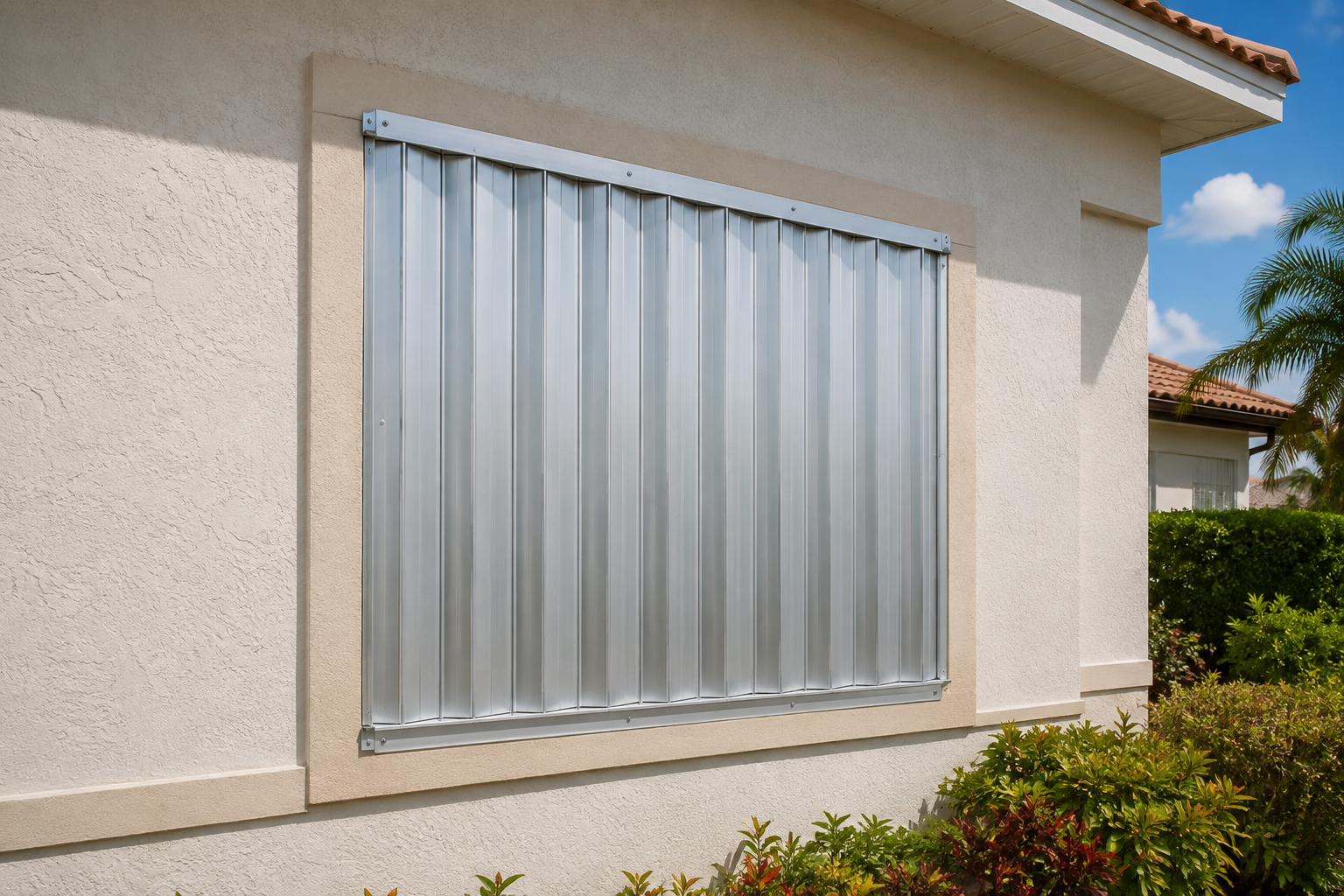
Hurricane shutters are protective coverings installed over a window or glazed door. Common styles include removable storm panels, accordion shutters, roll-down shutters, Bahama shutters and colonial shutters.
Unlike impact windows, shutters normally leave the existing window in place and add a protective barrier in front of it.
Impact Windows vs Hurricane Shutters: Quick Comparison
| Factor | Impact Windows | Hurricane Shutters |
|---|---|---|
| Protection | Integrated into window system | Separate protection over existing opening |
| Storm preparation | Normally no deployment required | Depends on shutter type |
| Upfront investment | Usually higher | Often lower |
| Everyday appearance | Similar to normal windows | Some systems remain visible |
| Natural light during storm | Usually retained | Often reduced when shutters are closed |
| Maintenance | Window, seals, hardware and glazing | Tracks, fasteners, motors/panels plus existing windows |
| Energy performance | Can be designed as an efficient complete window | Existing window largely determines normal-day performance |
| Replacement scope | Replaces entire window | May preserve existing windows |
1. Storm Readiness and Convenience
The biggest practical advantage of impact windows is that their protective function is built into the installed window. There is normally nothing extra to mount when a storm watch is issued.
Shutters can provide effective opening protection too, but the amount of preparation varies significantly. Roll-down systems can be quick to deploy, while removable panels require storage and manual installation.
2. Upfront Cost
Hurricane shutters generally have the advantage when minimizing initial cost is the main priority. Instead of replacing every window, an approved shutter system can protect existing openings.
Impact windows involve a larger renovation scope because the existing windows are removed and new frames, glazing and anchoring systems are installed.
3. Everyday Benefits
Impact windows remain part of the building envelope every day. Depending on the design and glazing package, buyers may be able to specify Low-E coatings, insulating glass units, thermally broken aluminum frames, improved sealing, laminated glazing and upgraded locking hardware.
These features are not guaranteed merely because a window is impact rated; they need to be evaluated as part of the complete window specification.
4. Appearance and Natural Light
For modern residential architecture, impact windows usually provide the cleaner appearance. Aluminum systems can also support relatively slim profiles and large glazed areas when properly engineered.
Shutters introduce another visible component and, when closed, generally reduce or eliminate the view through the opening.
5. Maintenance
Impact windows may require cleaning frames and glass, inspecting weather seals, checking drainage paths, maintaining locks and operators, inspecting perimeter sealant, and addressing damaged glazing or hardware.
Hurricane shutters may require cleaning tracks, checking fasteners, inspecting removable panels, testing motors or manual mechanisms, and confirming panels remain accessible.
6. Do Impact Windows Mean You Never Need Shutters?
Not automatically. The answer depends on the exact window assembly, product approval, installation, building location and applicable code requirements.
An approved impact-resistant assembly may serve as the required opening protection without an additional shutter in the conditions covered by its approval, but buyers should verify the exact product documentation and local requirements.
7. Which Is Better for a New Build?
For a new coastal residence or major renovation where windows are already being replaced, impact windows often make sense because glazing, frames, water management, energy performance and opening protection can be integrated in one specification.
8. Which Is Better for an Existing Home?
If existing windows are relatively new and performing well, replacing every unit solely to add impact protection may not always be the most economical solution. Approved shutters can allow the owner to retain those windows.
If the existing windows already have sealing, operation, frame or glazing problems, replacing them with properly specified impact-resistant windows can solve multiple issues during one renovation.
9. What Should Buyers Ask Before Ordering Impact Windows?
Ask:
- What exact window series is being quoted?
- What impact testing or product approval applies?
- What size and configuration limits are covered?
- What design-pressure requirements apply?
- What glass build-up is specified?
- Is the frame thermally broken?
- What Low-E or IGU options are available?
- Which hardware and locking system is included?
- What installation and anchoring requirements apply?
- Is the documentation valid for the project location?
Custom Impact-Window Projects with RUTAO
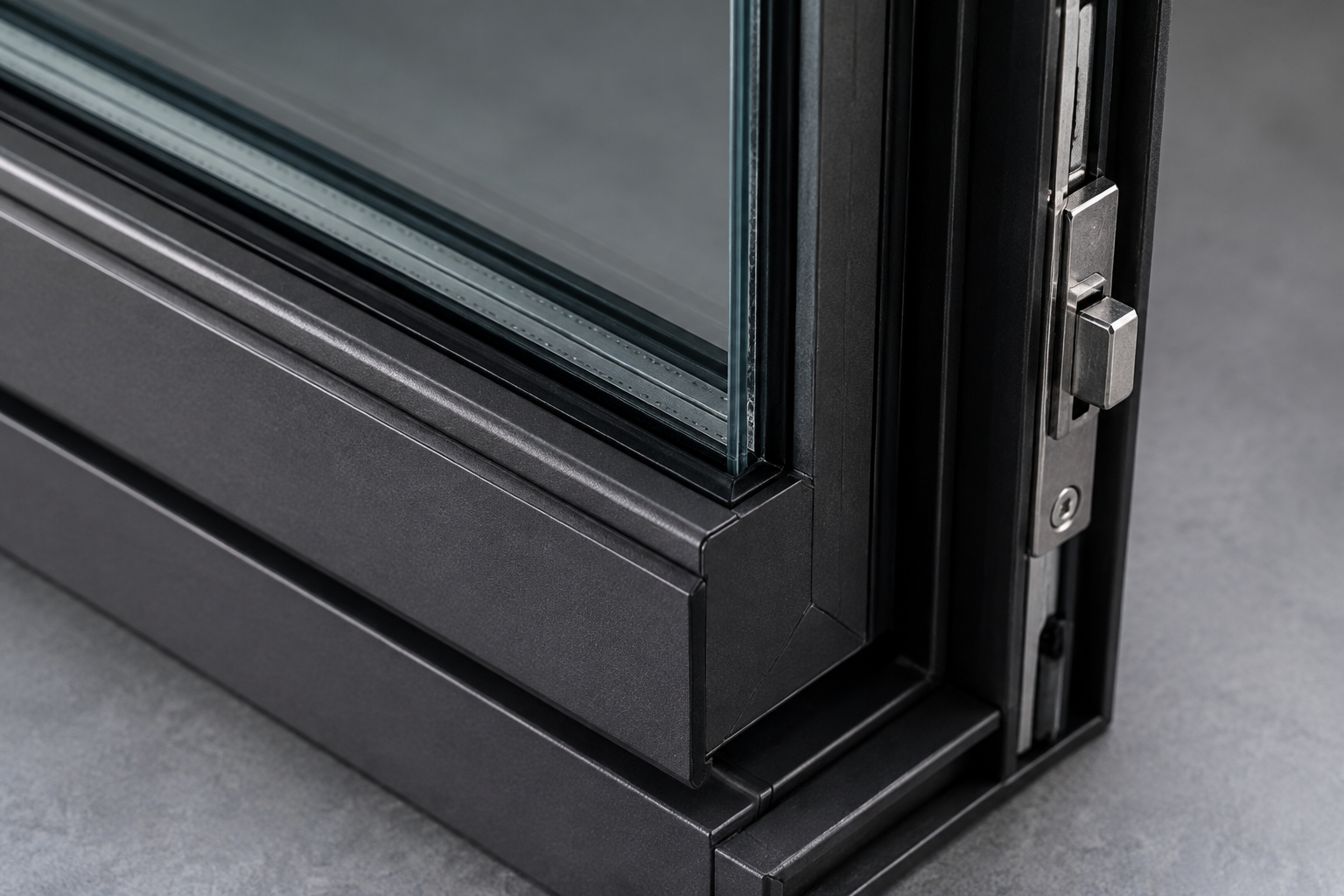
RUTAO can customize aluminum window and door systems around project dimensions, profile configurations, glazing requirements, finishes and hardware options.
Explore RUTAO’s aluminum impact awning window options as a starting point, and request documentation for your exact configuration and project location.
Impact-related projects require more than simply changing the glass. Frame design, glazing retention, hardware, anchors and project documentation must be considered as a complete system.
Specific certification, approval or impact-performance claims should always be confirmed for the exact product configuration before ordering.
Final Verdict
There is no universal winner in the impact windows vs hurricane shutters comparison.
Choose hurricane shutters when your existing windows are still suitable, keeping upfront costs down is important, and you are comfortable deploying the protection when necessary.
Consider impact windows when you are already replacing windows, want protection integrated into the building envelope, prefer minimal storm preparation, or want to combine impact resistance with a new glazing and frame specification.
FAQ
Are impact windows better than hurricane shutters?
Neither is universally better. Impact windows integrate protection into the window assembly and require little storm preparation, while shutters can be a lower-cost way to protect suitable existing windows.
Do impact windows replace the need for shutters?
An approved impact-resistant window assembly may satisfy opening-protection requirements for the conditions covered by its approval, but buyers should verify the exact product documentation and local code requirements.
Are hurricane shutters cheaper than impact windows?
Shutters are often less expensive upfront because they can protect existing windows rather than replace them.
Can impact windows improve energy efficiency?
They can be specified with Low-E coatings, insulating glass units and thermally broken frames, but impact resistance alone does not guarantee a particular energy-performance level.
What should I verify before buying impact windows?
Verify the exact product series, applicable approval or test documentation, size limits, design pressure, glazing build-up, frame configuration, hardware and installation requirements.