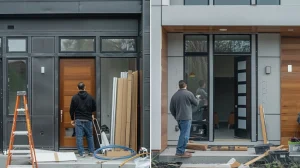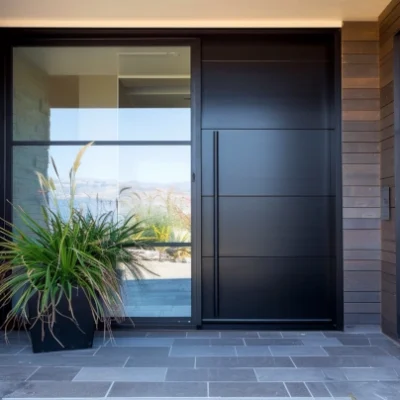

You can expect to pay between $2,000 and $5,000 or more for a Custom Aluminum Entry Door in 2026. Installation adds a separate charge, often ranging from $800 to $3,500 depending on your location and project complexity. When you plan your budget, remember that additional features, finishes, or specialized hardware may increase your total investment.
Key Takeaways
- Expect to pay between $2,000 and $5,000 for a Custom Aluminum Entry Door in 2026, with installation costs adding $800 to $3,500.
- Customization impacts the price; standard sizes and basic finishes help keep costs down, while unique designs and advanced features increase expenses.
- High-end doors offer long-term value through durability and energy efficiency, potentially saving money on maintenance and energy bills.
- Installation can vary widely; professional help is often best for exterior doors to ensure proper fitting and sealing.
- Be aware of hidden costs like removal of old doors, upgrades, and local labor rates; always ask for detailed estimates before starting your project.
2026 Price Range Overview
Custom Aluminum Entry Door Cost Estimates
You will see a wide range of prices for custom aluminum entry doors in 2026. The market continues to grow, with the aluminum doors and windows sector expected to reach $74.88 billion in 2026. This growth comes from a 6.0% compound annual growth rate, driven by more residential and commercial construction and a preference for low-maintenance materials.
The US market for windows and doors is also expanding. By 2026, it will reach $35.9 billion. Prices have increased since 2021 because of higher raw material costs and supply shortages. You should expect to pay more for a Custom Aluminum Entry Door in 2026 than in previous years. The demand for energy-efficient products and urban development also pushes prices higher.
When you budget for a Custom Aluminum Entry Door, you will likely see costs starting around $2,000 and reaching $5,000 or more for most custom projects. The final price depends on your choices for size, design, and features.
Tip: If you want to keep costs down, focus on standard sizes and basic finishes. Custom shapes, advanced hardware, and unique finishes will increase your investment.
High-End vs. Standard Options
You have many choices when selecting a Custom Aluminum Entry Door. The price varies based on the type and level of customization. The table below shows typical price ranges for different door types in 2026:
| Door Type | Price Range |
|---|---|
| Single-Hinged | $300 – $1,500 |
| Bifold | $2,500 – $10,000 |
| Pivot | $3,000 – $15,000 |
Standard options, such as single-hinged doors, offer a more affordable entry point. High-end custom doors, like bifold or pivot designs, cost much more because they require advanced engineering and specialized installation.
You will notice several features that set high-end custom aluminum entry doors apart from standard models:
- Advanced materials and unique finishes increase the price.
- Precision engineering requires skilled labor, which adds to the cost.
- Enhanced features, such as corrosion-resistant alloys and improved seals, boost durability.
- Over time, you may save money on maintenance and energy bills with high-end options.
Choosing between standard and high-end doors depends on your needs and budget. If you want a statement piece with long-term value, a high-end Custom Aluminum Entry Door may offer the best return on investment.
Cost Factors for Custom Aluminum Entry Doors
When you plan for a Custom Aluminum Entry Door, you need to understand what drives the price. Several factors play a role, from the size and design to the choice of glass, hardware, and finish upgrades. Customization gives you flexibility, but it also means each decision can impact your final cost.`
Size and Design
The size and design of your entry door have a direct effect on your budget. You will notice that larger doors require more aluminum and additional structural support. This increases both material and labor costs. If you choose a unique or oversized design, you may also need custom hardware, which adds to the expense.
- The dimensions of your project significantly influence the cost.
- Larger doors require more materials, which directly increases the price.
- Additional hardware and structural support may be necessary for larger sizes, further raising costs.
Design complexity also matters. Simple, single-hinged doors usually cost less. If you select a more complex type, such as a sliding, bifold, or French door, you will pay a premium. These designs need advanced engineering and skilled installation.
Note: Custom shapes or unique architectural features can make your entryway stand out, but they will increase your investment.
Glass and Hardware Features
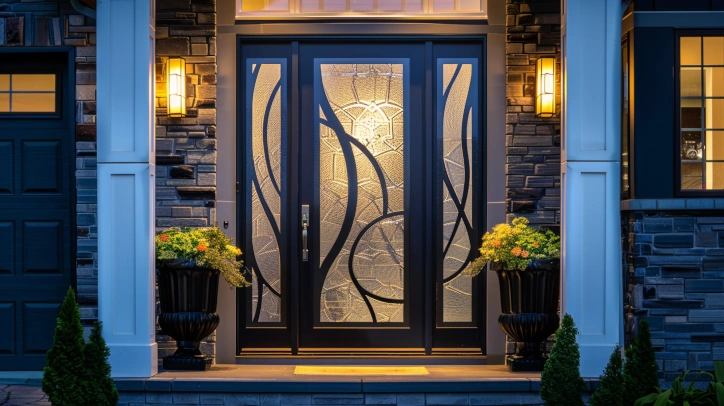
Glass inserts and hardware choices can transform the look and performance of your Custom Aluminum Entry Door. You have many options, but each upgrade affects the price.
- Double or triple-glazed glass panels improve insulation and energy efficiency. These options cost more than single-pane glass.
- Decorative or frosted glass adds privacy and style, but also raises the price.
- High-quality hardware, such as multi-point locking systems or designer handles, increases security and aesthetics. These features come at a higher cost.
You should also consider thermal break technology. Doors with thermal breaks provide better insulation, especially in colder climates. This feature adds to the upfront cost, but it can lower your energy bills over time.
Security and Finish Upgrades
Security and finish upgrades offer both protection and curb appeal. If you want a door that resists forced entry, you can choose reinforced frames, advanced locking systems, or impact-resistant glass. These upgrades will increase your total investment.
Finishes also play a big role in the final price. Durable coatings, such as anodized or powder-coated finishes, protect your door from weather and corrosion. These finishes last longer and require less maintenance, but they cost more than standard paint.
- Durable finishes like anodized or powder-coated options add to the overall expense.
- Custom colors or textures can match your home’s style, but they increase the price.
- Enhanced security features provide peace of mind and long-term value.
Tip: Customization gives you control over the look and performance of your entry door. Each upgrade adds value, but you should balance your choices with your budget.
When you choose a Custom Aluminum Entry Door, you shape the cost through your selections. Size, design, glass, hardware, security, and finish upgrades all contribute to the final price. Customization lets you create the perfect entryway, but it is important to understand how each option affects your investment.

Installation and Extra Costs
Professional vs. DIY Installation
When you plan for a new entry door, installation costs can vary widely. Most homeowners spend between $100 and $2,000 for installation, with an average cost around $1,050. Several factors influence this price:
- Material type
- Size of the door
- Design features
- Complexity of the installation
- Local labor rates
If you consider installing the door yourself, you could save $100 to $800 in labor costs. However, a Custom Aluminum Entry Door often requires precise fitting and proper sealing. Professional installation is usually the best choice for exterior doors. You get peace of mind knowing the door will perform well and protect your home from the elements.
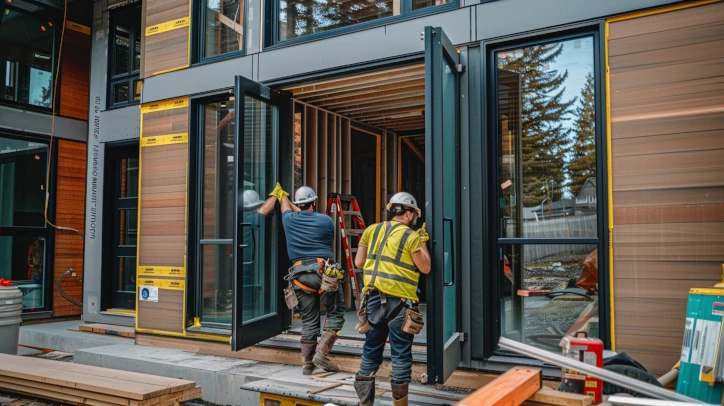
Tip: DIY installation may work for interior doors, but exterior entry doors demand expert handling to avoid leaks, drafts, or security issues.
Hidden and Additional Fees
You should prepare for extra costs that may not appear in the initial quote. Common hidden fees include:
- Removal and disposal of your old door or window
- Upgrades to hardware or handles beyond the standard package
- Interior trim or casing work
- Exterior wrapping or capping, especially for brick or siding exteriors
- Caulking, insulation, and weatherproofing around the frame
The type of home you have can also affect surprise fees. The table below highlights common issues by neighborhood type:
| Neighborhood Type | Most Common Surprise Fee |
|---|---|
| Pre-1940 Brick Homes | Custom capping & trim work |
| Suburban Vinyl Homes | Upgraded handles & hardware |
| City Row Homes | Tight access = labor surcharges |
| Older Hillside or Sloped-Lot Homes | Framing/masonry reinforcement |
You should also review warranty details. Some warranties only cover certain parts or defects for a limited time. Service charges, trip fees, or transfer fees may apply if you sell your home. Financing can add costs through high interest rates, origination fees, or early payoff penalties.
Note: Always ask for a detailed estimate and read the fine print before you commit to a Custom Aluminum Entry Door project.
Comparing Entry Door Materials
Aluminum vs. Steel, Wood, and Fiberglass
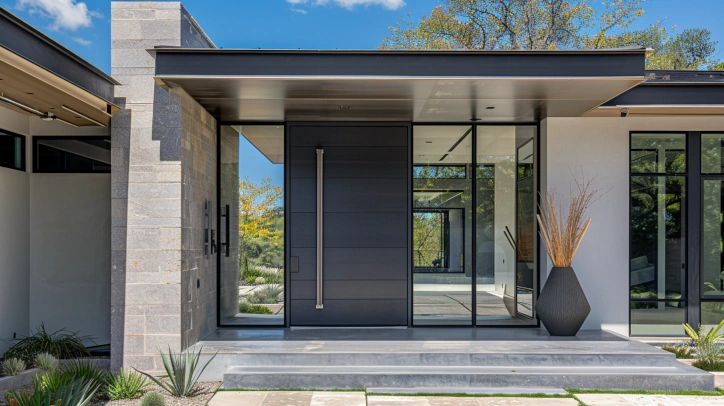
When you compare entry door materials, you see clear differences in performance, cost, and maintenance. Aluminum stands out for its durability and design flexibility. Steel, wood, and fiberglass each offer unique benefits and drawbacks.
| Advantages of Aluminum Entry Doors | Disadvantages of Aluminum Entry Doors |
|---|---|
| Outstanding durability and corrosion resistance, lasting over 30 years. | Higher initial cost, typically 20%-40% more than wood doors. |
| Lightweight yet strong, reducing installation stress. | Limited sound insulation compared to wood. |
| Energy efficiency with low thermal transmittance, reducing heating and cooling costs. | Surface scratches may occur on powder-coated surfaces. |
| Aesthetic appeal with design flexibility, available in various colors. | Performance may vary in extreme climates, requiring careful installation. |
| Low maintenance with a lifespan of 20-30 years. | N/A |
Steel doors cost less upfront and provide excellent security. You may need to repaint them every few years to prevent rust. Wood doors offer classic beauty and warmth. They require regular refinishing and may not last as long if neglected. Fiberglass doors resist dents and can mimic wood grain. They last a long time but may cost more than steel.
Value and Longevity
You want your investment to last. Lifespan and maintenance play a big role in value. Here is what you can expect from each material:
- Steel Entry Doors: Can last for 100 years or more with proper care.
- Wood Entry Doors: Pine lasts about 20 years, cedar about 40 years, mahogany about 60 years.
- Fiberglass Entry Doors: Should last well over 100 years.
- Aluminum Entry Doors: Last 20-30 years with minimal upkeep.
Steel doors need repainting every three to five years. Wood doors may need refinishing every one to three years. Fiberglass and aluminum require less maintenance.
When you choose a Custom Aluminum Entry Door, you pay more at first but save on maintenance and repairs. Aluminum resists corrosion and stays attractive for decades. Steel and fiberglass last longer but may need more care or cost more to install. Wood gives you a timeless look but needs the most attention.
| Factor | Aluminum | Steel |
|---|---|---|
| Initial Cost | More expensive upfront | Slightly cheaper |
| Long-term Maintenance | Low maintenance, lasts 20-30 years | Requires regular maintenance, lasts 10-15 years |
| Environmental Impact | Recyclable, long lifespan | Recyclable but energy-intensive production |
You should weigh the upfront cost against long-term value. Aluminum offers a strong balance of style, durability, and low maintenance for your entryway.
Tips for Saving on Custom Aluminum Entry Doors
Getting the Best Value
You want to maximize your investment when choosing a Custom Aluminum Entry Door. Start by clarifying your requirements. Decide if you need the door for residential or commercial use. This step helps you avoid paying for unnecessary features.
You can often save money by taking advantage of seasonal promotions. Many suppliers offer winter savings, special financing, or even gift cards with a free in-home estimate. The table below highlights common promotions you might find:
| Promotion Type | Details |
|---|---|
| Winter Savings | Up to 75% Off Installation! |
| Special Financing | Senior & military discounts available |
| Gift Card | $25 Walmart Gift Card with FREE in-home estimate |
Material selection also plays a big role in cost. Choose the right aluminum alloy and surface treatment for your climate and needs. Investing in robust materials and reliable hardware reduces annual costs over time. A timeless design prevents early replacement during renovations.
Tip: View your entry door as a long-term investment. High-performance glazing and thermal breaks may cost more upfront but can lower your energy bills and maintenance costs.
Choosing Quality Features
You should prioritize features that boost durability and performance. High-quality weatherstrips and sealants prevent water infiltration. Effective drainage design, including holes in the door bottom and frame, protects against moisture damage. Annual inspection of seals and drainage holes helps you avoid costly repairs.
Select low-temperature resistant sealants for flexibility in cold weather. Lubricate hinges and locks regularly with suitable products. Choose high-quality anodizing or powder coating for surface protection. Stainless steel or corrosion-resistant hardware prevents rust, especially in coastal areas.
The table below can help you focus on the most valuable features:
| Factor | Considerations |
|---|---|
| Purpose | Residential or commercial use |
| Budget | Long-term savings vs. initial investment |
| Maintenance | Low-maintenance options like aluminum kits |
| Design | Custom finishes, colors, and features |
Regular cleaning, especially near the coast, removes salt deposits and extends the life of your door.
By following these strategies, you can reduce costs without sacrificing quality or durability.
You can expect custom aluminum entry doors in 2026 to range from $1,200 to over $5,000 for the door alone, with installed systems reaching $7,500 or more. The table below summarizes typical costs:
| Category | Cost Range |
|---|---|
| Door only (thermally broken, powder-coated) | $1,200–$5,000+ |
| Installed (pivot/oversized systems) | $2,000–$7,500+ |
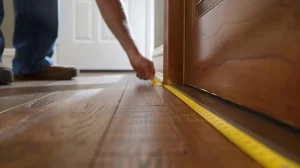
Remember to factor in installation, trim, and possible hidden fees. Avoid common mistakes by measuring carefully and considering insulation, hardware, and design. By following the tips in this guide, you make a value-driven choice that balances style, security, and long-term savings.
Finally, we sincerely hope that you will contact us when you come to this place. Check out our range of aluminum entry doors. Rutao will provide the most perfect suggestions for your project.
FAQ
How long does a custom aluminum entry door last?
You can expect your custom aluminum entry door to last 20–30 years with minimal maintenance. Regular cleaning and occasional inspections help extend its lifespan.
Can you paint or refinish an aluminum entry door?
Yes, you can paint or refinish aluminum doors. Choose high-quality exterior paint or powder coating for the best results. Always follow the manufacturer’s recommendations.
What maintenance does an aluminum entry door require?
You should clean the surface with mild soap and water. Inspect seals and hardware yearly. Lubricate hinges and locks as needed. Avoid abrasive cleaners to prevent scratches.
Are custom aluminum entry doors energy efficient?
Custom aluminum entry doors with thermal breaks and insulated glass offer excellent energy efficiency. These features help reduce heat loss and lower your energy bills.
Will an aluminum entry door rust or corrode?
Aluminum resists rust and corrosion. Powder-coated or anodized finishes add extra protection. If you live near the coast, rinse the door regularly to remove salt deposits.