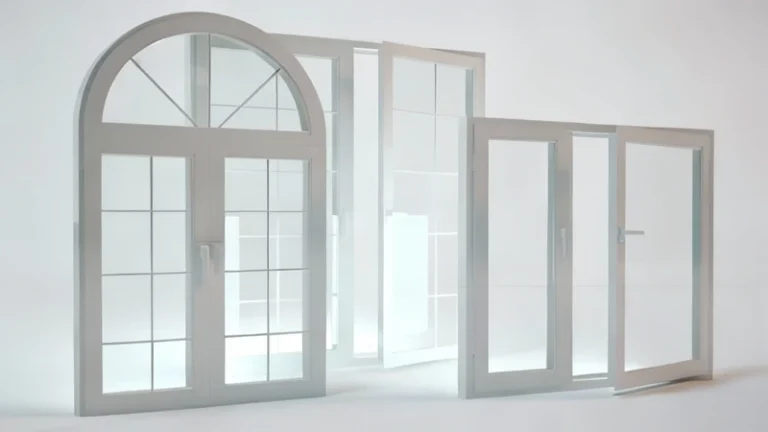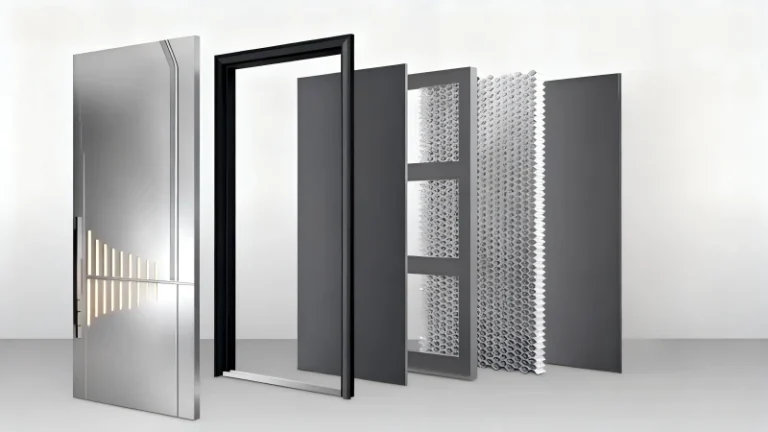
To tell if windows are impact resistant in Florida, identify the manufacturer and model, find the relevant approval record, and match the installed window to its approved configuration. Labels and glass markings help you find that record; appearance alone cannot confirm impact resistance.
A double-pane window is not automatically an impact window. Tempered glass is not automatically hurricane-rated glazing. Even laminated glass does not prove that the complete window assembly was approved for wind-borne debris protection. Here are seven practical checks.
1. Look for a Permanent Manufacturer Label or Marking
Start with the window itself.
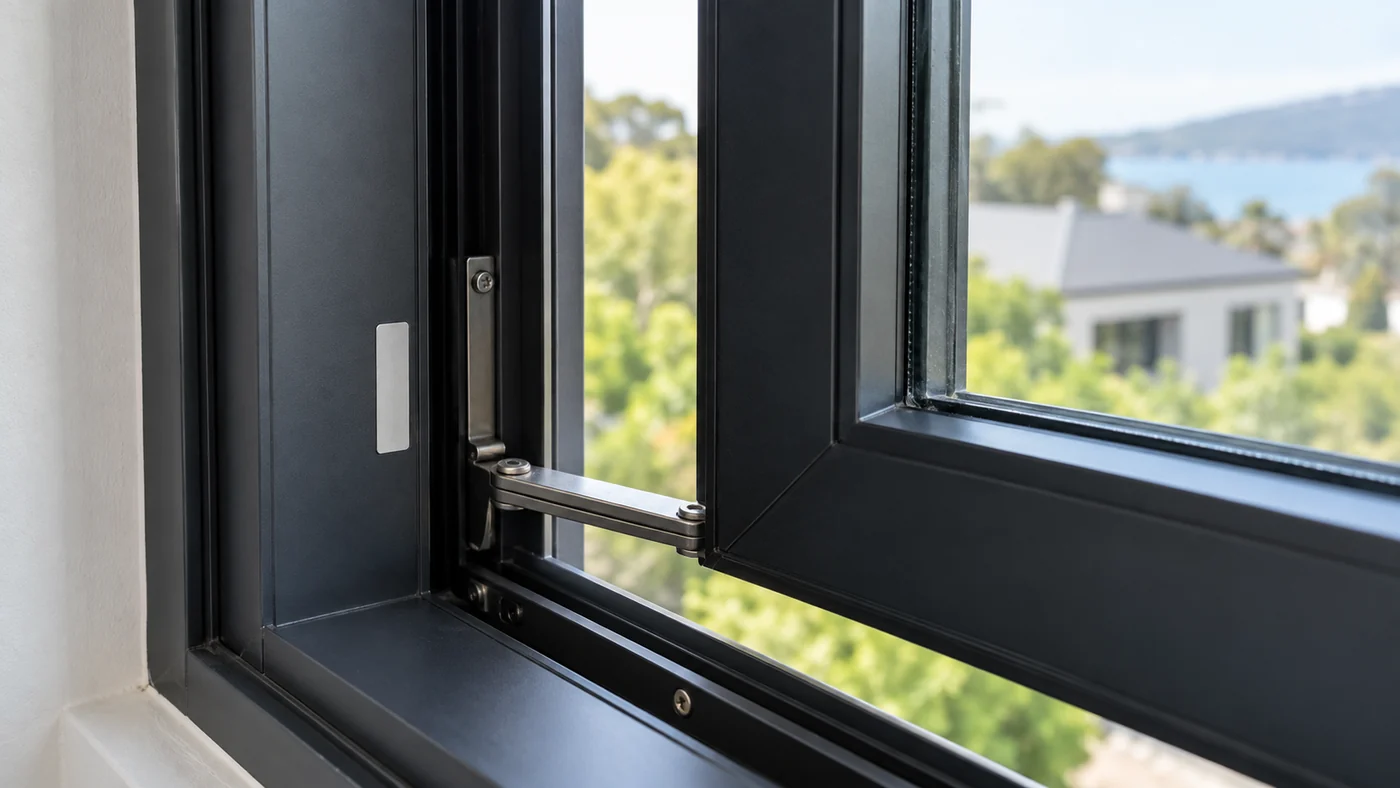
Open an operable sash and inspect accessible areas of the frame. Depending on the window design, identifying information may appear:
- along the side of the sash;
- inside a frame channel;
- close to the lock;
- on the top or bottom rail;
- on a permanent certification label;
- as an etched or printed identification mark.
Useful information can include:
- manufacturer;
- product series;
- model number;
- certification information;
- Florida Product Approval number;
- Miami-Dade NOA number.
A manufacturer can offer both impact and non-impact versions of similar-looking windows. Identify the exact series and configuration.
Do Not Remove Parts of the Window
Do not remove glazing beads, hardware, seals or frame components simply to look for a hidden label.
If the information is not accessible during normal window operation, move on to the documentation checks below.
2. Check the Glass Corner for a Mark or “Bug”
Look carefully at the corners of the glass.
You may find a small permanent logo, etched code or safety-glazing mark. In the glass industry this is sometimes informally called a glass bug.
It may help identify:
- the glass manufacturer;
- safety-glazing characteristics;
- tempering information;
- glazing standards;
- production information.
However, this is where homeowners need to be careful.
A Glass Mark Is a Clue — Not Final Proof
Impact resistance applies to the tested window assembly, not simply to one sheet of glass.
A complete system includes:
- glass;
- interlayer;
- frame;
- sash;
- glazing retention;
- mullions where applicable;
- locks and hardware;
- anchors;
- installation method.
Use the marking to help identify the product, then verify the actual approval.
3. Look for a Florida Product Approval Number
One of the strongest clues is a Florida Product Approval number, often called an FL number.
Use the official Florida Product Approval search to investigate the product. The database covers categories including:
- windows;
- exterior doors;
- shutters;
- skylights;
- impact protective systems.
Why the Exact FL Number Matters
Do not stop when you find a manufacturer’s name.
Look up the exact product.
Florida Product Approval records can show information such as:
- model;
- approved application;
- HVHZ status;
- impact-resistant status;
- design pressure;
- installation instructions;
- limits of use.
Check the Impact Resistant field separately from the pressure rating. An FL number alone does not establish impact resistance. A product can have structural pressure ratings and still be non-impact. For more detail, see our guide to impact window design pressure.
4. Check for a Miami-Dade Notice of Acceptance
If the property is in South Florida, you may also encounter a:
Miami-Dade Notice of Acceptance — NOA
The official Miami-Dade Product Control search lets you search by file number and filter by impact rating and positive or negative design pressure.
If you locate an NOA number, check that the official record actually matches:
- manufacturer;
- product line;
- window type;
- glass option;
- product dimensions;
- installation configuration.
Match the record to the installation paperwork. For older installations, ask the building department or manufacturer which approval revision applied when the work was permitted; a current record alone may not resolve that history.
Why This Is Better Than Looking at the Window
A thick aluminum frame might look strong.
A heavy glass unit may feel different when you open the sash.
Neither observation tells you whether that precise configuration appears in an approved product record.
Documentation does.
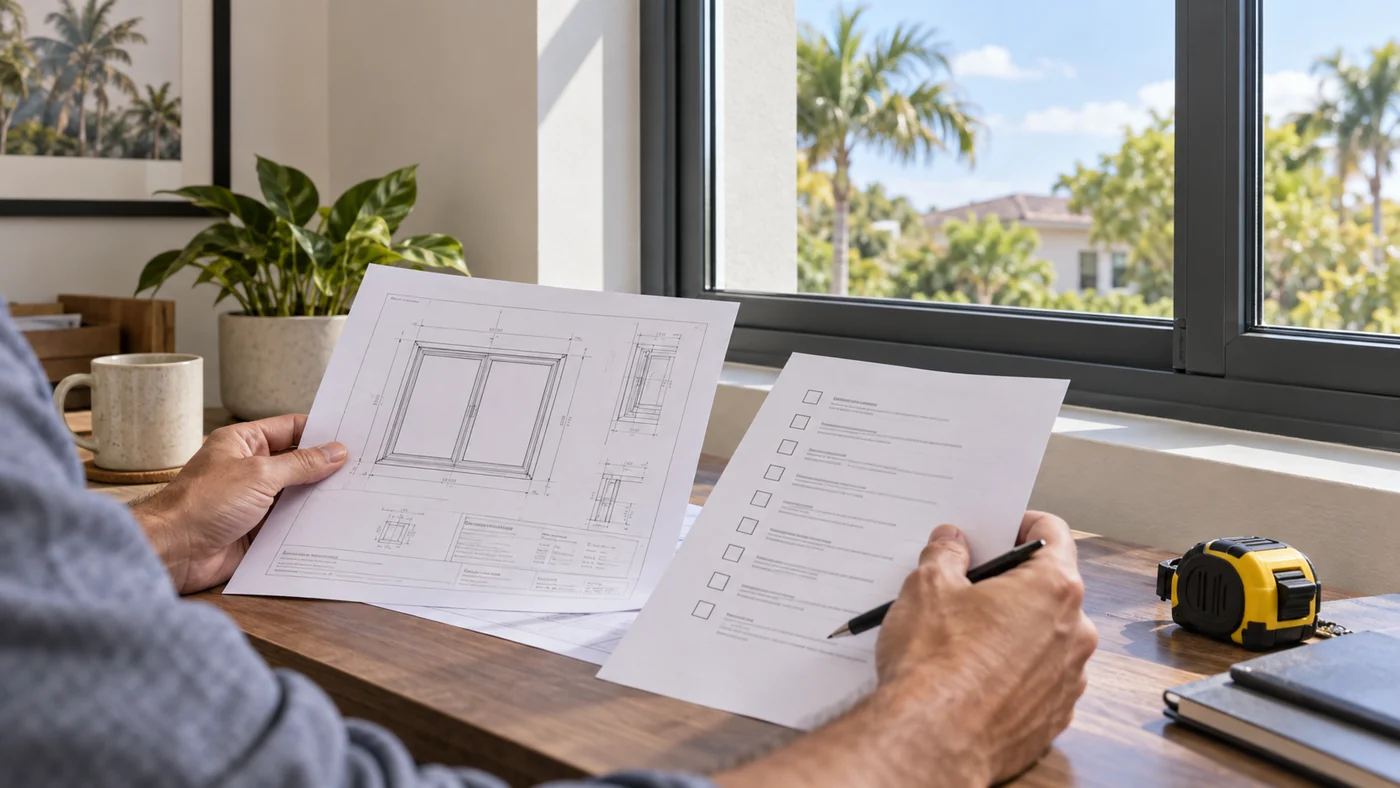
5. Check Your Permit Records
If the labels are missing, old permit documents can be one of the best sources of information.
Look for:
- window replacement permit;
- window schedule;
- contractor proposal;
- product approval sheets;
- inspection documentation;
- elevation drawings;
- NOA;
- FL approval number;
- manufacturer’s order paperwork.
Miami-Dade’s published replacement-window checklist asks applicants to identify window sizes and approval numbers by opening. Check current submission requirements with the permitting authority.
This makes permit documentation especially valuable for someone who purchased a home after the windows had already been replaced.
Bought a House With No Window Paperwork?
Try checking:
- your local building department;
- previous permit records;
- the seller’s renovation documents;
- HOA or condominium records where applicable;
- the original contractor;
- the window manufacturer.
The goal is to connect the installed opening to a specific approved product—not merely determine what type of glass it appears to contain.
6. Look for Evidence of Laminated Glass
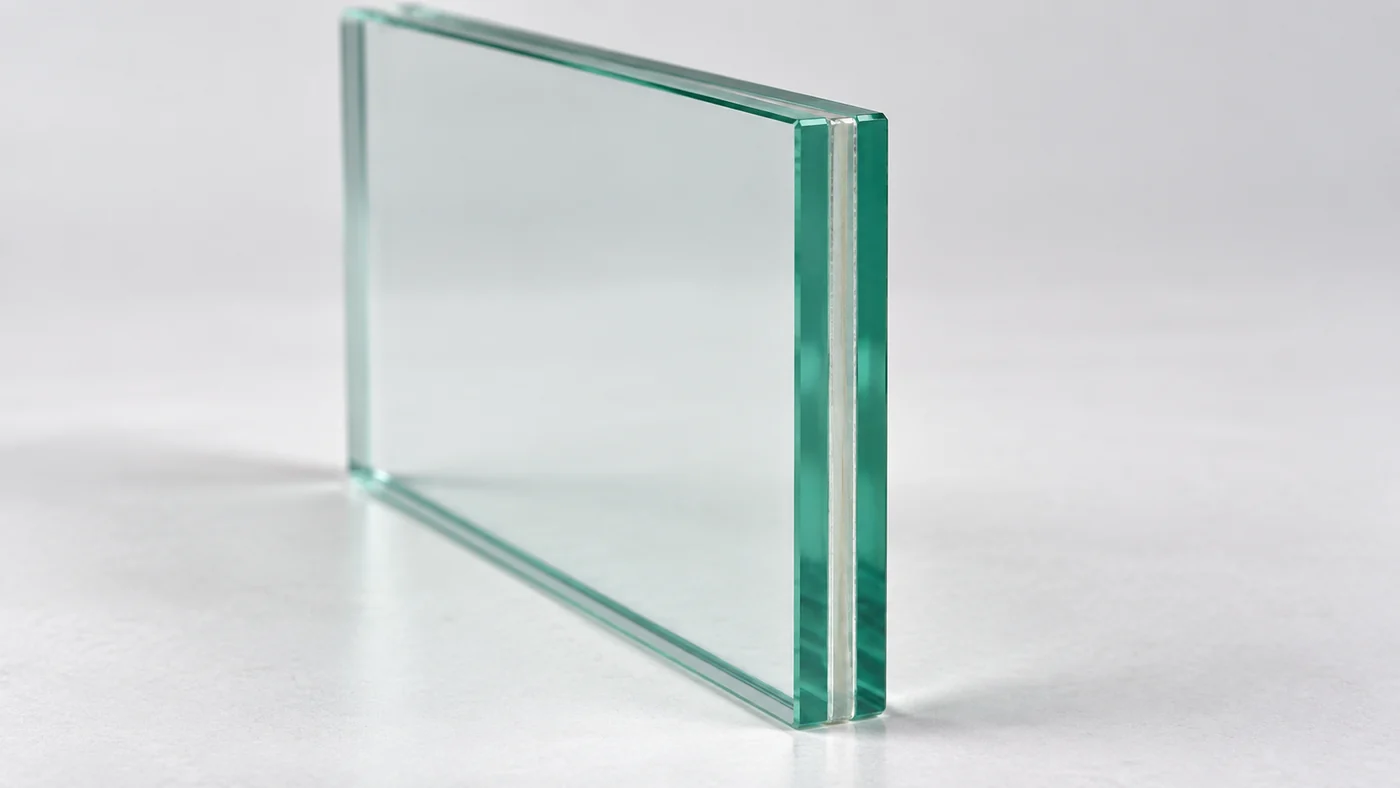
Impact glazing commonly uses laminated construction. Examine an edge only if it is already safely visible; do not remove beads, seals or glazing. On an installed window, paperwork is often the practical way to confirm the glass build-up.
Instead of one monolithic piece of glass, laminated glass contains multiple glass layers bonded with an interlayer such as PVB or another engineered material.
When laminated glass breaks, the interlayer helps retain cracked glass.
That behavior is fundamentally different from standard tempered glass, which is designed to fracture into many smaller pieces when it fails.
But Laminated Glass Still Does Not Prove Approval
This distinction matters.
A homeowner may correctly identify laminated glass and still know nothing about:
- allowable window size;
- impact classification;
- tested pressure;
- frame design;
- hardware;
- anchors;
- permitted substrate.
Think of the interlayer as another clue.
The approval of the system is the proof.
7. Verify the Entire Window Assembly
This is the final step and the most important one.
A true impact-window verification should ideally connect four things:
Product identity → approval → exact configuration → installation
That means checking whether the installed window falls within the limits of the approval.
Verify the Window Type
A manufacturer’s fixed window approval does not automatically cover its casement or single-hung system.
Verify the Size
A larger opening can have different structural limits from a smaller unit.
Verify Positive and Negative Design Pressure
A product may have sufficient impact resistance but still need appropriate structural capacity for that particular opening.
Verify Glass Configuration
Product approvals may contain multiple permitted glass options.
Use the selected glass build-up in the approval drawings, not a general brochure description.
Verify Anchoring
Impact testing does not evaluate only the glass.
The window must remain connected to the building.
Fastener type, spacing, edge distance, substrate and frame installation can all be part of the tested configuration. Miami-Dade’s product testing guidance explains why changes to window components can require separate evaluation. Ask a qualified professional to verify concealed installation details when necessary.
Can You Tell an Impact Window by Tapping the Glass?
You may find online advice suggesting that you tap the glass and listen to the sound.
Do not use that as your main verification method.
A laminated unit can sound different from standard monolithic glass, but many variables affect the sound:
- glass thickness;
- insulating airspace;
- laminate;
- coating;
- window size.
Documents are much more reliable than sound.
Does Double-Pane Mean Impact Resistant?
No.
This is another common misunderstanding.
Double-pane usually describes an insulating glass configuration.
Impact-resistant describes the tested performance of the complete window against specified debris and pressure conditions.
A window can therefore be:
- double-pane and non-impact;
- laminated and non-impact;
- impact resistant and insulated;
- impact resistant with Low-E;
- non-impact with tempered safety glass.
Those characteristics should not be treated as interchangeable.
Is Tempered Glass the Same as Impact Glass?
No.
Tempered glass is primarily a type of safety glazing.
It is heat treated so that when it breaks, it fractures differently from ordinary annealed glass.
Impact glazing, by contrast, is designed as part of a system intended to resist specified wind-borne debris and continue through the required test sequence.
Tempered glass can still be used as part of certain laminated glass makeups.
The key point is:
tempered alone should not be used as proof of hurricane-impact approval.
What If Only Some Windows Are Impact Resistant?
Treat every opening separately.
A home can have:
- impact windows at the front;
- older non-impact windows in bedrooms;
- hurricane shutters on secondary openings;
- an impact-rated entry door;
- a non-impact sliding door.
Do not assume that one impact window means the entire house has impact protection. Our impact windows vs hurricane shutters comparison explains the different protection approaches.
Record each opening and its protection method.
This can also make future renovation planning easier.
Buying New Impact Windows? Save the Documentation
If you are ordering new impact windows, verification becomes much easier if the supplier provides documentation before shipment.
Ask for:
Product Series
Do not accept only “impact aluminum window.”
Get the actual series or model.
Exact Dimensions
The rating should apply to your quoted dimensions.
Design Pressure
Verify positive and negative values.
Glass Build-Up
Ask for the complete glazing specification.
Applicable Testing / Approval
Verify the exact documentation relevant to the intended project.
Installation Drawings
Confirm anchor and installation requirements.
Hardware Specification
Operating hardware can form part of the tested window configuration.
RUTAO Custom Impact-Window Projects
RUTAO manufactures customizable aluminum windows and doors for residential and commercial projects.
Available configurations include products such as:
- fixed windows;
- awning windows;
- casement windows;
- single hung impact windows;
- sliding systems;
- folding systems.
For an impact-related project, the specification should start with the exact opening, required performance and project documentation, rather than simply selecting laminated glass.
RUTAO can customize aluminum profiles, dimensions, glazing combinations, finishes and hardware around project requirements. Send your opening schedule and performance requirements when requesting a configuration review.
However, Florida Product Approval, Miami-Dade NOA, TDI, NFRC or other certification claims should only be stated when the specific model and configuration being supplied have the corresponding verified documentation.
Final Checklist: How to Know If Your Windows Are Impact Resistant
If you want the short version, check these seven things:
- Find the window manufacturer and model.
- Look for permanent frame identification.
- Check glass markings.
- Locate the Florida Product Approval number.
- Check the Miami-Dade NOA when applicable.
- Review permit or installation records.
- Confirm the entire frame-glass-hardware-anchor assembly matches the approval.
The most important rule is simple:
Do not identify an impact window by appearance alone.
A strong-looking aluminum frame, dark glass, double glazing or a thick pane may tell you something about the product.
None of those clues replaces official documentation for the exact window assembly.
Frequently Asked Questions
Does a Florida Product Approval number prove a window is impact resistant?
No. Look up the exact product and check its impact-resistant status, limits of use and installation drawings. An approval number or design-pressure rating alone does not establish impact resistance.
Can double-pane windows be non-impact?
Yes. Double-pane describes an insulating glass configuration. Impact resistance is a separate performance characteristic of the complete window assembly.
Is tempered glass proof of hurricane-impact protection?
No. Tempered glass is safety glazing and can also be used within some laminated constructions. Tempering alone does not prove that the installed window has impact approval.
What if the window labels are missing?
Check permit files, invoices, order records and permanent glass markings. Ask the manufacturer or a qualified professional to match the installed product to its documentation. Do not dismantle the window to search for identification.
Can I confirm impact resistance by tapping the glass?
No. Glass thickness, airspaces and other construction details affect the sound. Use product identification and approval documents rather than a tap test to verify impact resistance.