Checking Florida Product Approval for windows means matching the current record to the exact product and the code edition governing your permit. An old FL number alone does not establish suitability for a new-code project.
Before ordering windows for a late-2026 or 2027 project, verify the product approval for the exact window being supplied.
A Florida Product Approval number is often shortened to an FL number.
But finding an FL number in a brochure or quotation is not the end of the verification process.
Florida is approaching a major code transition. The 9th Edition (2026) Florida Building Code is scheduled to take effect December 31, 2026, replacing the 8th Edition (2023) for applicable new permits.
The Commission’s May 2026 Product Approval report says manufacturers must affirm compliance with the new edition.
For homeowners, contractors and overseas window buyers, that creates a practical question:
If a window already has a Florida Product Approval, can I automatically use that same approval for a 9th Edition project?
Do not assume the answer is yes.
Here is what to verify before placing the order.
What Is a Florida Product Approval?
An FL number identifies a record in Florida’s statewide product-approval system. Windows are among the categories covered by Florida Statute 553.842.
State approval is not the only possible route. DBPR’s official FAQ explains that state approval is optional to local approval. When a supplier relies on the statewide route, the corresponding FL number matters.
Use the record as a reference to the specific product, conditions and supporting documents. It is not a blanket endorsement of every window a manufacturer sells.
Why December 31, 2026 Matters
The 9th Edition Florida Building Code takes effect December 31, 2026. The Miami-Dade permitting notice confirms the date and gives local submission procedures, including a county online-portal cutoff. Check your own jurisdiction’s procedures rather than applying that local cutoff statewide.
The installation or delivery date alone is not a reliable way to select the governing edition. Ask the permitting authority how application timing, permit status and any resubmittal affect your project.
For broader wind-region and project-planning context, see RUTAO’s 9th Edition impact-window guide. Here, the narrower task is to reconcile the approval record with that confirmed edition.
Does an Existing FL Number Automatically Become Invalid?
Do not assume either automatic acceptance or automatic invalidation. Florida’s statute ties approval validity to changes in applicable code requirements, changes to the product affecting required performance, and revocation.
A saved PDF is evidence of what that document says; it is not proof of the current status for a different code edition. Ask the supplier to identify the current record for the specific product and applicable edition, then check it independently.
Three manufacturer transition paths
The June 30, 2026 state presentation distinguishes three routes:
- Self-affirmation: available when the applicable standards and restrictions have not changed.
- Revision: required when those standards or restrictions have changed, with supporting compliance evidence.
- New application: another route identified for products entering the new-code process.
The presentation also explains that an evaluation report referring to the earlier edition needs an attached statement from an approved evaluation or validation entity for self-affirmation. An editorial revision is not the update route described for changed requirements.
These are manufacturer application processes. A homeowner cannot complete the transition by writing "2026 compliant" on a quotation. Request evidence of the resulting record and status, not merely a promise that paperwork will follow.
How to compare the record with your order
Open the official BCIS product search. Start with the FL number and appropriate code version, or the manufacturer and code version if the number is unknown. Keep filters broad initially. A blank result after selecting many filters does not establish that no approval exists.
The June presentation describes a "Pre-2026" search option during the transition. Check the available portal options and the actual edition shown in the returned record; do not infer new-code compliance from the default selection.
For your project folder, record the lookup date, manufacturer, product line item, revision, code edition, displayed status and linked documents. Save the relevant installation drawing together with the approval. This is a practical purchasing record, not a substitute for permit review.
If the quotation points to an older revision while the database returns a newer one, ask which configuration will actually be supplied. If an application is pending or conditional, do not describe it as an unconditional approval. Resolve the difference before the order is released.
What Should You Check in the Florida Product Approval Record?
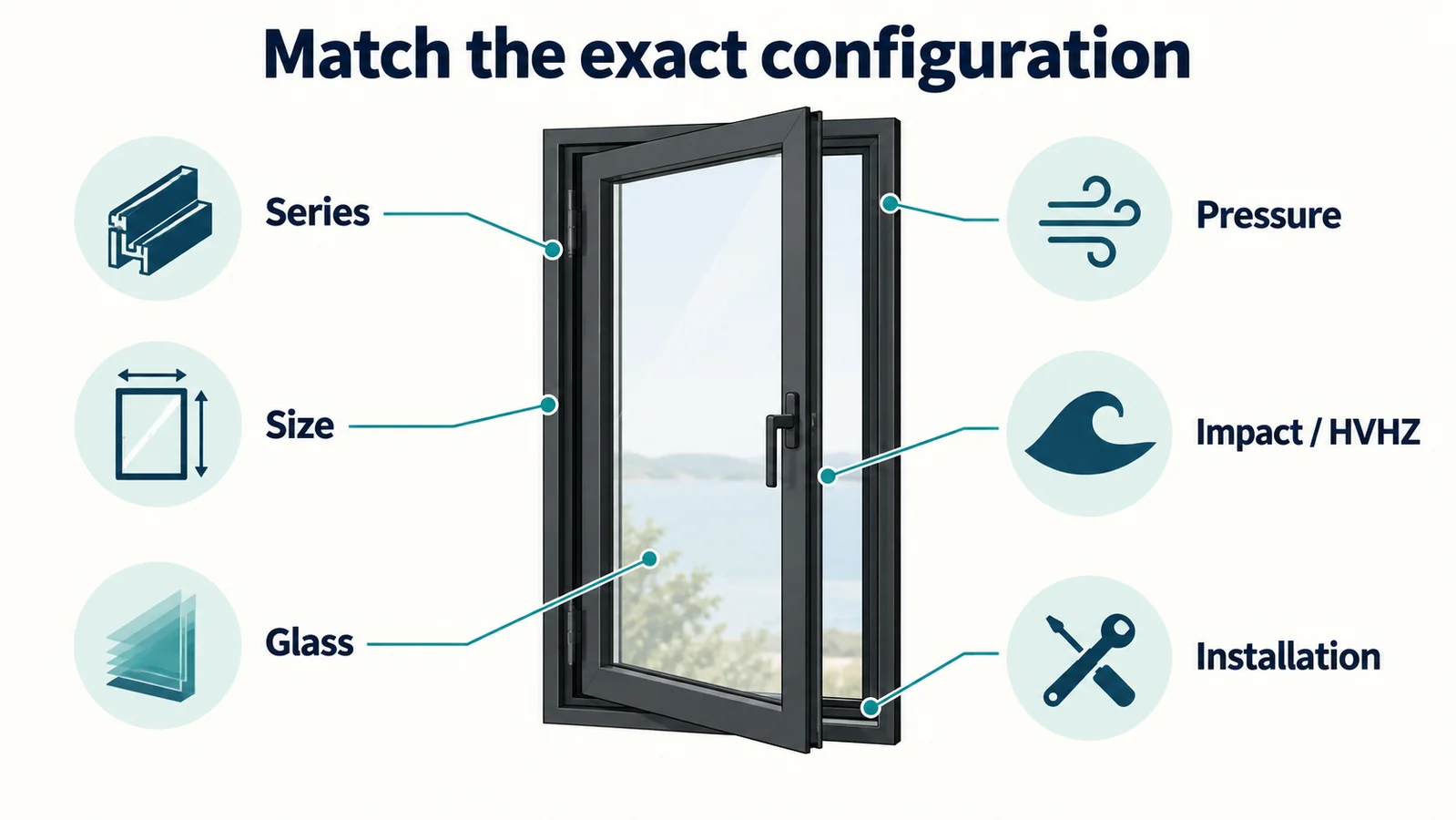
Compare these items against the opening schedule and shop drawings:
- Manufacturer, series and type: fixed, casement, awning and sliding products are not interchangeable merely because the frames look similar.
- Dimensions and glass: match the ordered width, height and glazing option to the documented limits.
- Positive and negative pressure: compare both directional ratings with the project’s required pressures.
- Impact and HVHZ scope: check the specific fields and limitations; an FL number alone does not prove either.
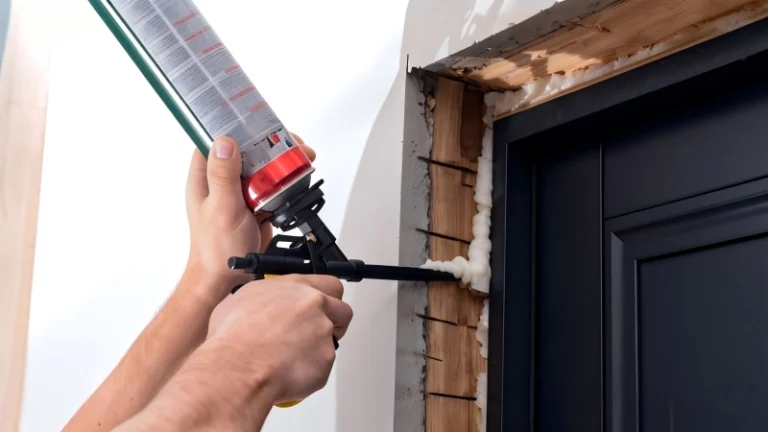
- Installation: match anchors, substrate, spacing, edge distances and any mullion conditions to the applicable drawing.
For an already-installed unit, use the separate impact-window identification guide. For structural selection, see impact window design pressure.
Installation details deserve their own review. For example, Winter Garden’s replacement procedures call for verification of fasteners, bucks, gaps and mullion connections against installation instructions. Obtain the corresponding requirements for your own jurisdiction.
Florida Product Approval vs Miami-Dade NOA
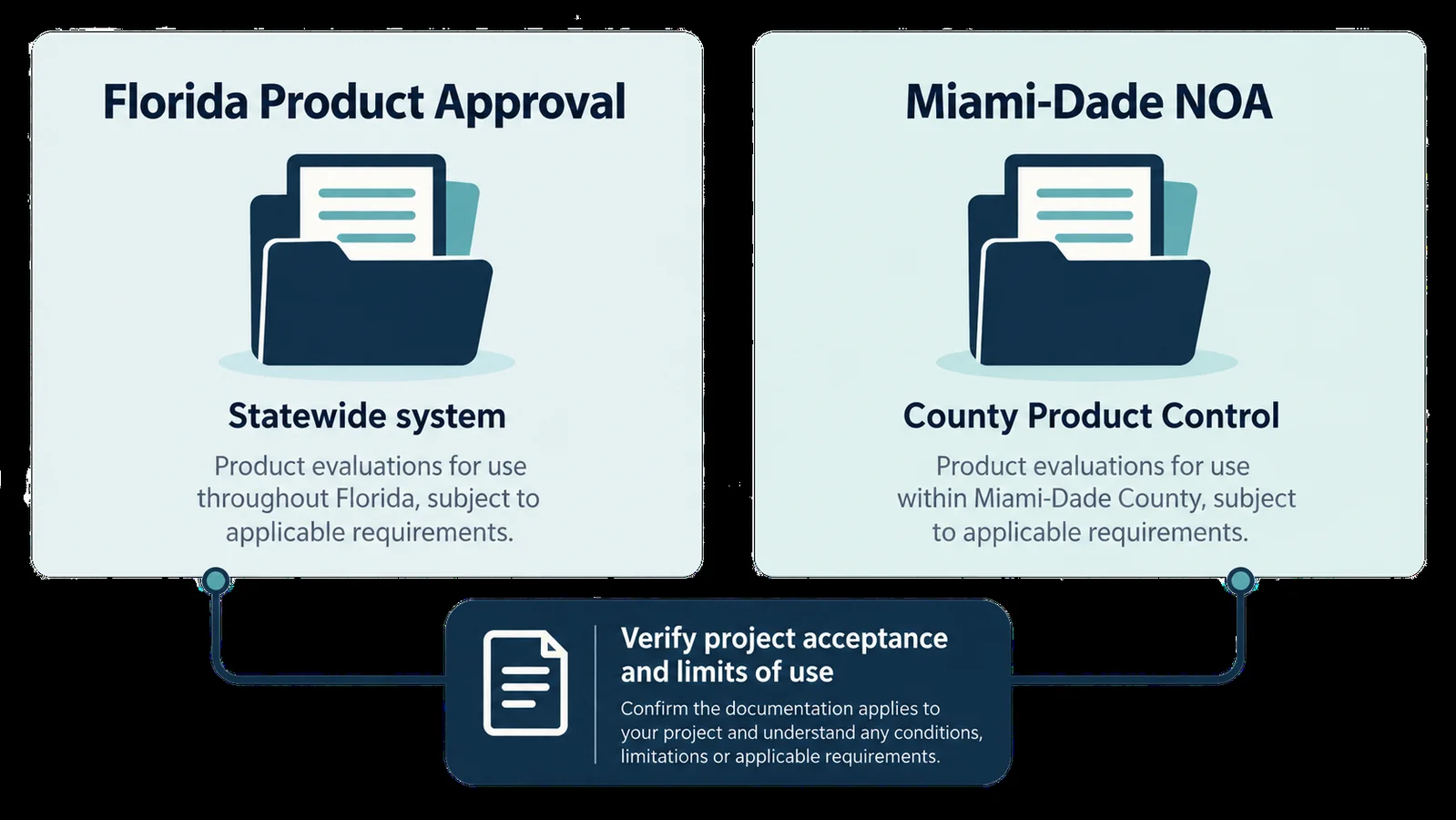
Florida Product Approval is the statewide system. A Miami-Dade Notice of Acceptance comes through Miami-Dade Product Control, which evaluates construction products and supporting technical documents.
These are different documentation sources. For an HVHZ project, verify acceptance for the intended use and read the actual limitations. Do not infer suitability for Miami-Dade or Broward from a generic "Florida approved" statement.
Where an NOA is supplied, check its current status and expiration information as well as its product details. Ask the responsible professional which documents belong in the permit package.
What Should Be on a Window Quote for a Florida Project?
Make each quoted opening traceable to a product series, width and height, operating type, glass build-up, pressure requirements and approval reference. Identify the installation drawing and revision being used.
Orange County’s product approval specification sheet is a useful local example: it asks for manufacturer, model or series, and Florida or Miami-Dade approval information. Your permitting office may require a different form.
Consider a hypothetical quote that names the correct series but changes the glass or enlarges a unit beyond the documented size. The matching series name does not settle those differences. Put each discrepancy on a written query list, obtain a documented resolution, and update the opening schedule before accepting the manufacturing release.
Why This Matters for Imported Windows
Florida projects sometimes source custom aluminum windows directly from overseas manufacturers.
Documentation should be evaluated before the purchase commitment.
It becomes risky when the sequence is reversed:
choose appearance → pay deposit → manufacture → ship → ask about Florida approval.
For a Florida project, a better sequence is:
project requirements → permit/code edition → required pressure and impact status → exact approved configuration → shop drawings → manufacturing.
The approval question should come before production.
A custom size that falls outside the applicable documentation cannot be fixed by adding an FL number to the invoice.
What RUTAO Buyers Should Send Before Quotation
For a Florida project, send RUTAO an opening schedule that includes:
- project city and county;
- building type;
- opening numbers;
- width and height;
- window style;
- required impact status;
- required positive pressure;
- required negative pressure;
- glass requirement;
- applicable approval/documentation requirement.
For projects crossing the December 31, 2026 code transition, also identify the anticipated permit timing and confirm the governing edition with the local permitting authority.
RUTAO can customize aluminum profiles, dimensions, glazing, finishes and hardware around a project specification. Our custom aluminum windows and doors manufacturer guide explains how to prepare a supplier brief.
However, certification claims should be tied to the specific model and configuration actually being supplied.
A manufacturer should not claim that every custom product is Florida-approved merely because one product family has an approval.
A Simple Pre-Order Verification Workflow
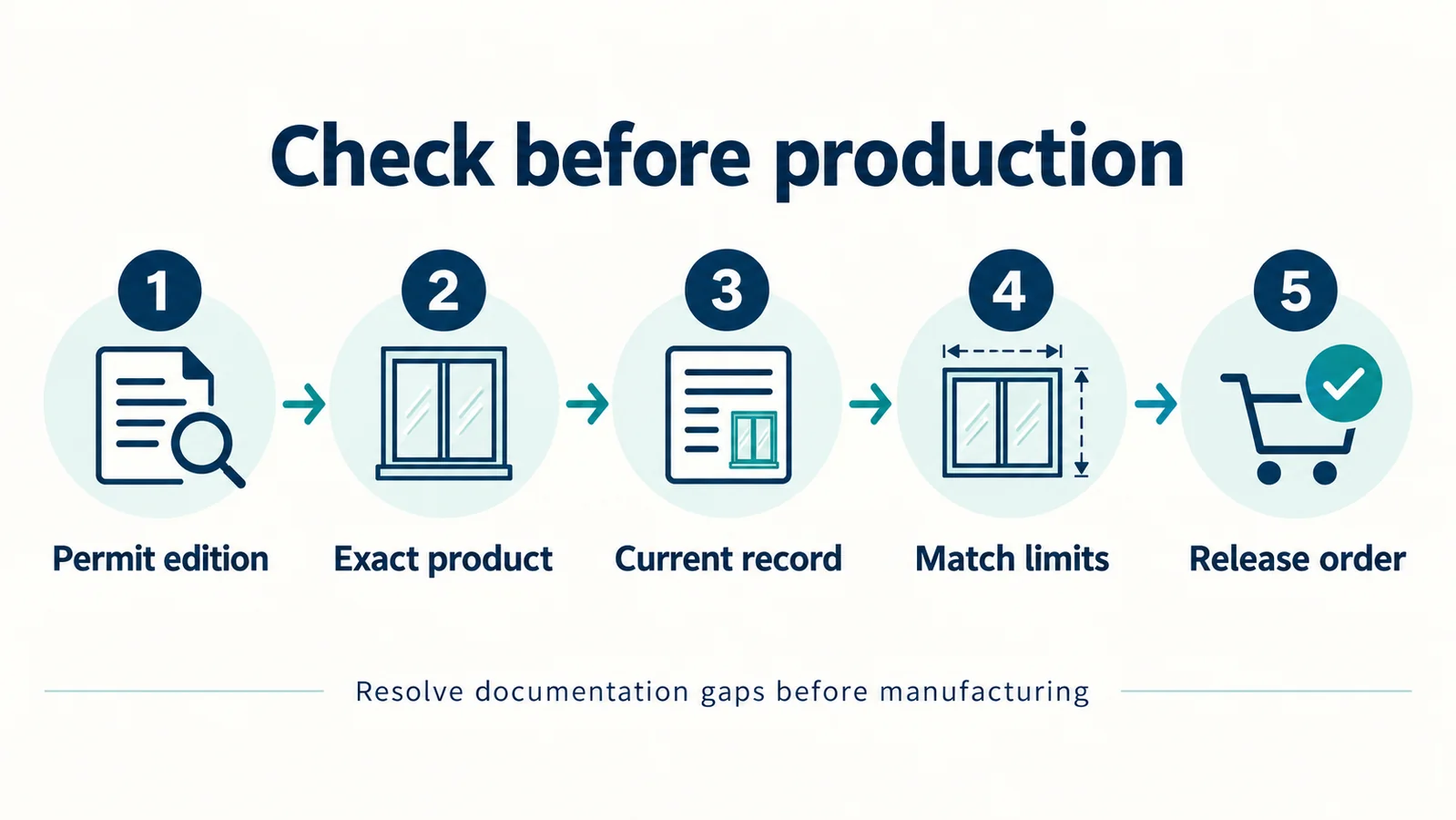
Confirm the permit edition, identify the exact product, open the current record, and match the configuration. Assign responsibility for unresolved documentation questions before releasing the order.
Keep one coordinated version of the quote, opening schedule, shop drawings and supporting approval documents. Recheck the record if the supplier changes the model or if the permit moves to another code edition.
Before You Order
A current approval record must support the exact window being supplied under the project’s applicable requirements. During the 9th Edition transition, verify the manufacturer’s documentation route and the resulting record, then reconcile it with your order.
Send RUTAO your location, opening schedule, required pressures and documentation requirements to discuss the proposed configuration before production.
Frequently Asked Questions
Does an existing Florida Product Approval automatically work under the 9th Edition?
Not automatically. Check the current record for the exact product and the permit code edition. The state describes self-affirmation, revision and new-application routes; the appropriate route depends on the product and applicable requirements.
When does the 9th Edition Florida Building Code take effect?
The effective date is December 31, 2026. Confirm the applicable permit edition and local submission procedures with the permitting authority.
Does an FL number prove a window is impact resistant?
No. Check the exact record for impact-resistant status and its permitted configuration. An approval number alone does not establish impact or HVHZ suitability.
Is Florida Product Approval the same as a Miami-Dade NOA?
No. They are different documentation sources. Verify current status, limits of use and acceptance for the intended project.
Can I order a larger custom window using the same approval number?
Only when the proposed size and configuration are covered by the applicable documentation. Resolve any size or glazing discrepancy before manufacturing.
What should I do if the quote and approval record disagree?
Request a written explanation and the current documents for the exact product being supplied. Reconcile the series, revision, edition, dimensions and installation details before releasing the order.