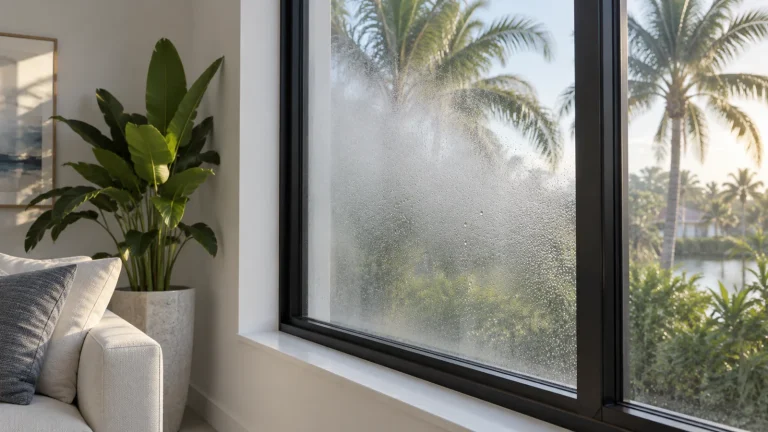
Condensation between double pane windows usually points to a failed seal in the insulating glass unit, once you have confirmed that the moisture is inside the sealed cavity. Water on the room-side surface or the outside surface is a different problem. Locate the moisture before paying for repairs.
A foggy window does not automatically mean the entire frame must be replaced. Depending on the system and its condition, a professional may recommend a replacement glass unit, a replacement sash or a complete window. This guide explains how to collect useful evidence and compare those options without dismantling the window yourself.
First, identify which surface is fogging
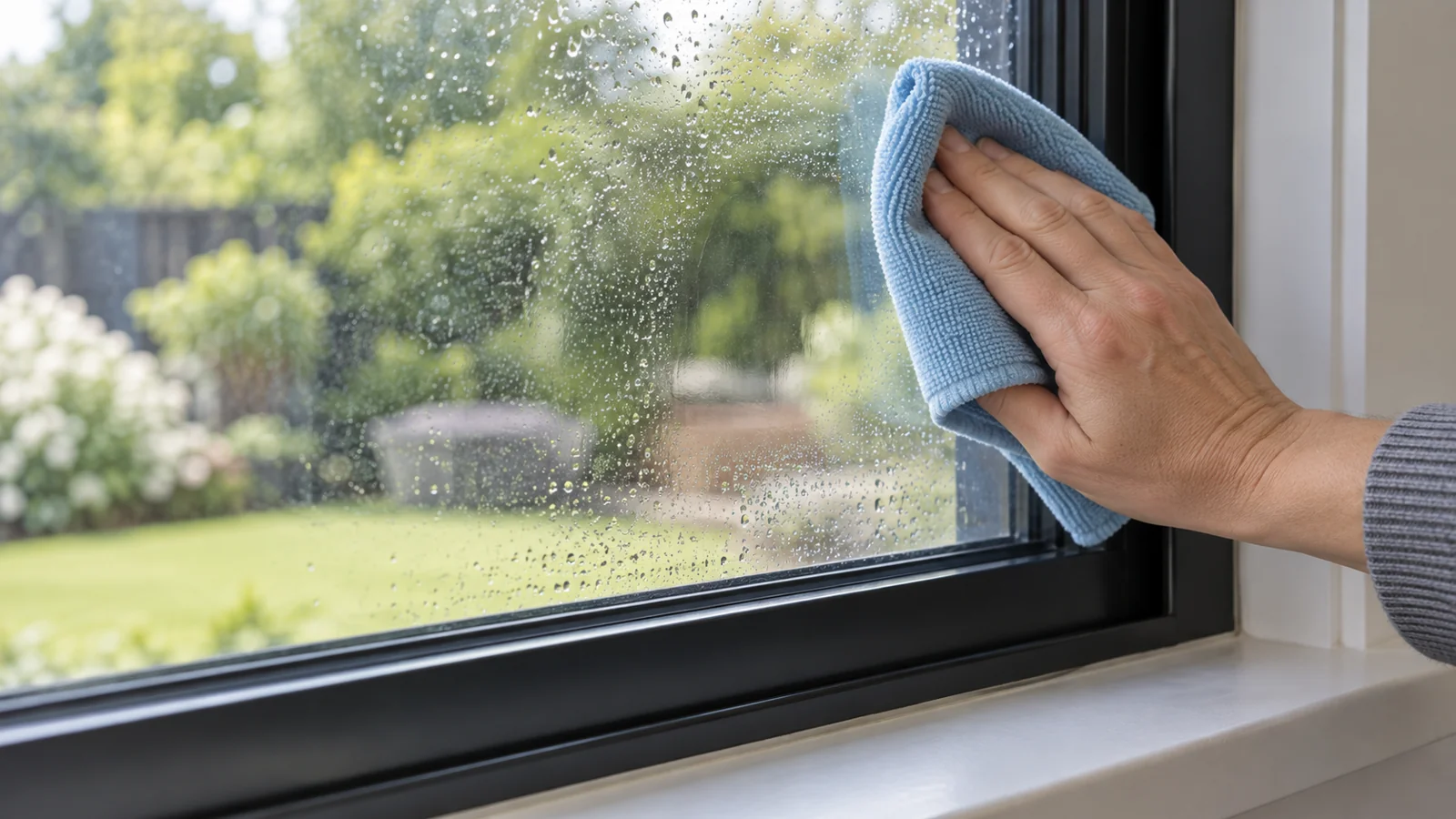
Look at the window from different angles in daylight. If the room-side glass is safely accessible, gently wipe a small area with a clean cloth suitable for that glass. If the moisture wipes away, you have identified surface condensation in that area. A remaining cloudy patch may need closer examination; it is not a complete diagnosis by itself.
| Where is the moisture? | What it suggests | Useful next step |
|---|---|---|
| On the room-side surface | Indoor moisture meeting a cool surface | Review humidity and airflow |
| On the outdoor surface | Exterior dew under suitable weather conditions | Observe whether it clears as conditions change |
| Inside the sealed glass cavity | Possible insulating glass seal failure | Request a glazing assessment |
Andersen’s condensation guide distinguishes these three locations. In particular, outdoor dew does not establish that the sealed glass unit has failed. Inspect an exterior surface only when it can be reached safely; an upper-floor window does not justify leaning outside.
Take a wide photograph showing the affected window and a close photograph showing the haze. Note the time, weather and whether the area changed after wiping the accessible surface. Give each affected opening a simple name, such as “kitchen left,” so the service provider can match photographs to the correct window.
What the sealed glass unit does
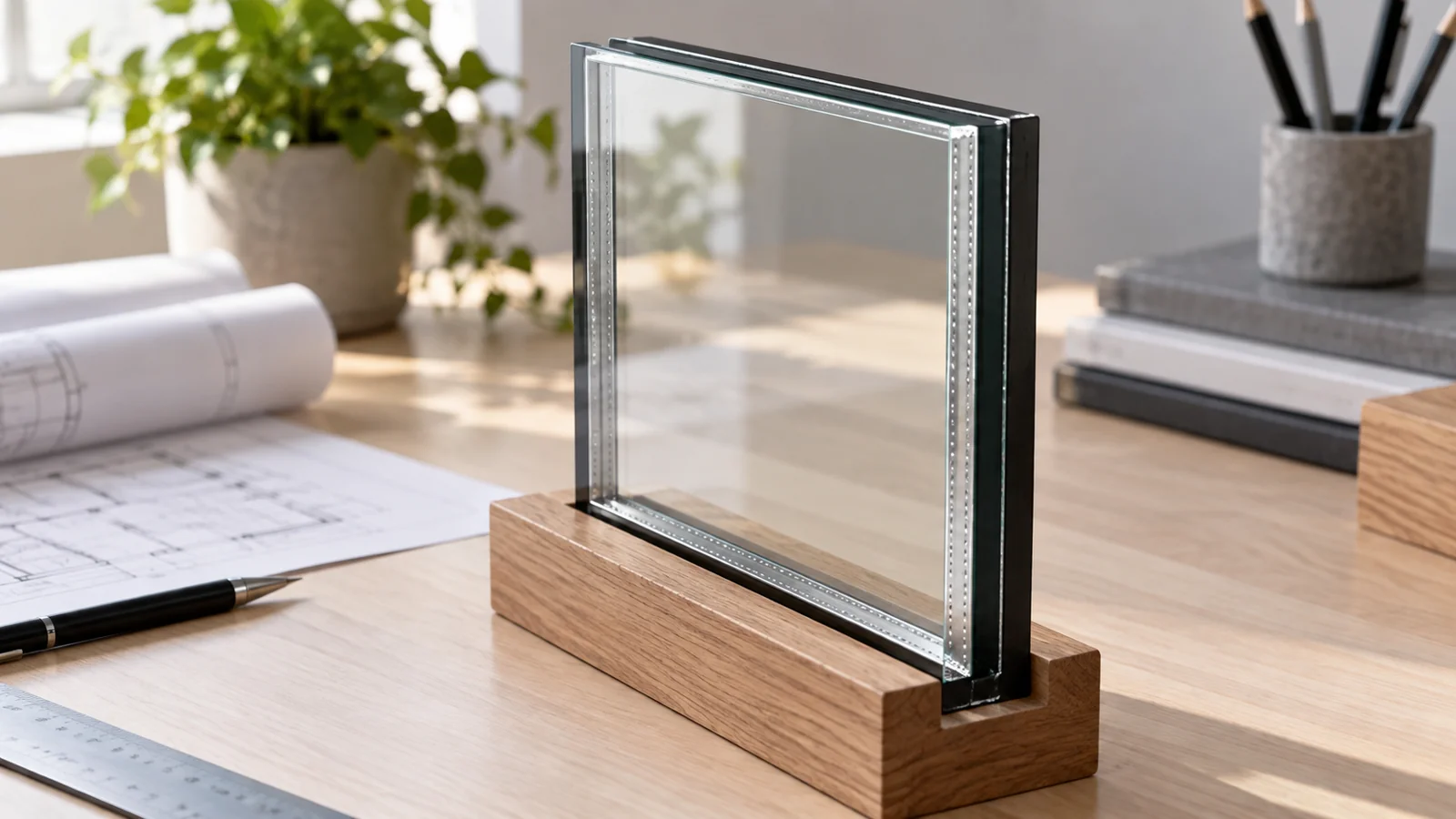
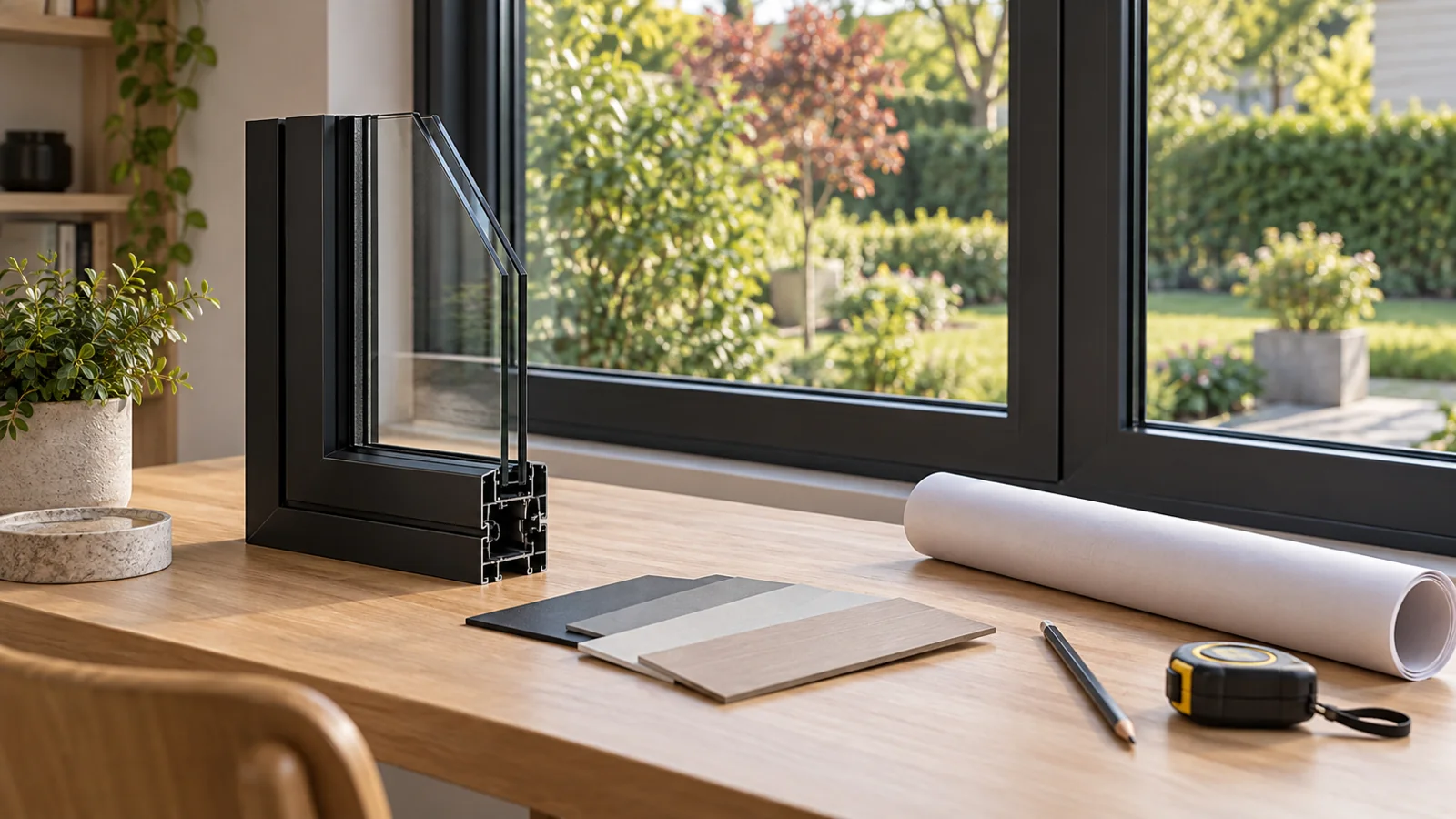
A typical insulating glass unit, often called an IGU, has panes separated around the perimeter by a spacer and sealed into an assembly. The glazing unit sits within a sash or frame. Its edge seal and the weatherstripping around an opening sash perform different jobs.
For confirmed moisture between the sealed panes, Pella’s condensation manual identifies glass seal failure as the issue and directs owners to service support. Cleaning the exposed surfaces does not reach that enclosed space.
Check the exact product construction before drawing conclusions. Some glazing arrangements include additional panels or accessible spaces; the manufacturer’s manual should identify what is sealed and what is intended to open. Do not release unfamiliar clips or remove glass to investigate. If you are unsure which layer is cloudy, send photographs and the product details to the supplier.
Record the symptoms without guessing the cause
Describe what you can observe: droplets, a cloudy patch, streaking or a haze that returns at particular times. Note whether one glazed section is affected or several windows show similar symptoms. A service report should distinguish those observations from the proposed cause.
Do not assume that a clear afternoon means the assembly has repaired itself. The visibility of moisture changes with conditions. Keep photographs taken on different days if the problem is intermittent, especially before a scheduled inspection when the glass might look clear.
Also record issues outside the glass cavity. Water on the sill after rain, damaged seals, a frame that no longer closes properly or stained surrounding finishes should be assessed separately. Treating every symptom as an IGU problem may leave another defect unresolved. A photograph of fog alone cannot identify installation history or establish who is responsible.
Compare glass, sash and whole-window replacement
Ask the provider to name the component they intend to replace. “Replace the window” can describe very different scopes, so request a written explanation before comparing prices.
| Proposed scope | What stays | What must be confirmed |
|---|---|---|
| Replacement glass unit | Existing suitable sash or frame | Approved glazing method, dimensions and specification |
| Replacement sash | Existing suitable outer frame | Correct sash model, hardware and fit |
| Complete window | Depends on the installation approach | Opening condition, installation scope and finishing work |
Manufacturer service documents show why this is product-specific. Andersen publishes a glass replacement guide for certain fixed units and a separate sash replacement guide for certain gliding windows. These are examples of different repair routes, not instructions for every brand.
The sash guide also requires checks of the existing frame. Ask your provider whether damage, alignment, drainage or an unsupported product configuration makes a limited repair unsuitable. Conversely, if the surrounding assembly is serviceable and a supported replacement component exists, ask why a complete replacement would be necessary.
Be precise about what a proposed fix restores
A dry-looking pane is an appearance result. It does not, on its own, verify the condition of the edge seal or the original thermal performance. If someone proposes a defogging service, ask exactly what they will do, what performance they claim to restore and what written coverage accompanies the work.
Keep household troubleshooting separate from sealed-unit repair. A dehumidifier may help with room-side moisture, but it does not repair a failed glazing seal. Likewise, adding caulk around the visible frame is not equivalent to replacing the seal within an insulating glass assembly.
Avoid drilling the glass or applying concentrated heat as an improvised treatment. Leave glass removal and replacement to an appropriately equipped provider using the correct product instructions. Before any modification, ask the manufacturer whether it affects the available service or warranty route.
Build a useful repair request
Start with the original supplier or installer if their details are available. Search your records for the invoice, installation date and product schedule. Photograph any visible identifiers without removing components. Marvin’s replacement-parts guidance, for example, uses glass markings or spacer information to identify different generations of its products. Identification methods vary by brand.
For each affected window, provide:
- A room reference and wide photograph.
- Close photographs of the moisture and any visible markings.
- Whether accessible surface moisture wipes away.
- When the haze appears and whether it returns.
- Any separate leakage, operation or frame concerns.
Ask the written quotation to separate the component, site visit, labor, access equipment, disposal and finishing work. Confirm who measures and who accepts responsibility for ordering the correct part. Approximate homeowner measurements may help identify a unit, but they should not become final manufacturing dimensions without verification.
Read the applicable warranty rather than assuming that a quoted glass coverage period includes every cost. Ask whether the proposed solution is a warranty claim, a paid repair or a replacement purchase. Keep the written response with your photographs and invoice.
If replacing, specify more than the number of panes
“Double pane” does not fully describe a replacement. Confirm the glass construction, overall thickness, coating, appearance, dimensions and compatibility with the sash. Ask which existing requirements must be maintained and whether a proposed change needs further review.
For a whole-window purchase, compare documented whole-product energy ratings. The Infinity by Marvin label guide explains U-factor, solar heat gain and other ratings used in choosing a product. Do not infer a particular energy saving from a clearer pane, or treat a glass-only number as the rating of a complete window.
RUTAO’s aluminum window glass guide provides background on glazing choices. Use it to prepare questions, then have the supplier confirm the actual replacement specification and supporting documentation.
Maintain the window around the glass
Include windows in seasonal inspections. Andersen’s maintenance guidance recommends checking operating components and weatherstripping. Follow your own manufacturer’s instructions for cleaning and drainage, and report damage when it appears. Routine care is useful, but it is not a guaranteed cure for sealed-unit failure.
For an aluminum window replacement project, RUTAO can discuss dimensions, glazing, frame finishes and hardware. RUTAO does not need to be the first stop for servicing another manufacturer’s existing product; its original supplier may have the most direct replacement-part route. If a new custom window is required, send RUTAO your opening information and project requirements for a configuration discussion.
Choose the repair after locating the moisture
Confirm where the fog sits, identify the product and request a component-specific assessment. The useful decision is whether the proposed work addresses the actual problem while preserving a sound installation. Approve the repair scope and replacement specification before ordering.
Frequently asked questions
Does condensation between double pane windows mean the seal has failed?
If the moisture is confirmed inside the sealed insulating glass cavity, it generally indicates glass seal failure. First distinguish it from moisture on accessible surfaces or in a separate secondary glazing space, then ask the manufacturer or a qualified window professional to assess it.
Can a dehumidifier remove fog between window panes?
A dehumidifier can help manage indoor humidity and room-side condensation. It does not repair a failed sealed glass unit. If the haze is inside that sealed cavity, arrange an assessment of the glazing rather than relying on room humidity control.
Do I need a whole new window if one pane is foggy?
Not necessarily. Depending on the product and condition, an approved replacement glass unit or sash may be available. The provider should inspect the frame, identify the system and explain which repair scope is supported before recommending a whole window.
Why does the fog disappear and return?
Visible moisture can change with temperature and humidity. A clear afternoon does not establish that a suspect sealed unit has recovered. Record where and when the fog appears and have persistent or recurring between-pane haze checked.
What should I send when requesting a repair quote?
Send wide and close photographs, the room location, any visible product identifiers, approximate installation date and a description of where the moisture appears. Include warranty paperwork if available. Leave final glass dimensions and compatibility checks to the repair provider.